

The reverse plank is a muscle-strengthening exercise that is often underestimated. Unlike the classic plank, it mainly works the posterior muscles of the body, such as the glutes, hamstrings, lower back, and shoulders.
It is an excellent movement for improving posture, strengthening the core, and balancing muscles that are often neglected. Learn how to do the reverse plank correctly, its benefits, and tips for progressing.
Why include the reverse plank in your routine?
Strengthening the posterior muscles :
-This exercise targets the glutes, hamstrings, and lower back, which are often weak due to a sedentary lifestyle.
-It helps balance the work between the anterior and posterior muscles for better posture.
Improved posture :
-By engaging the back and shoulder muscles, the reverse plank helps counteract the effects of prolonged sitting.
-It promotes optimal alignment of the spine.
Overall core workout :
-In addition to the posterior muscles, it engages the abdominals and obliques to stabilize the body.
How to perform the reverse plank correctly?
Preparing the position :
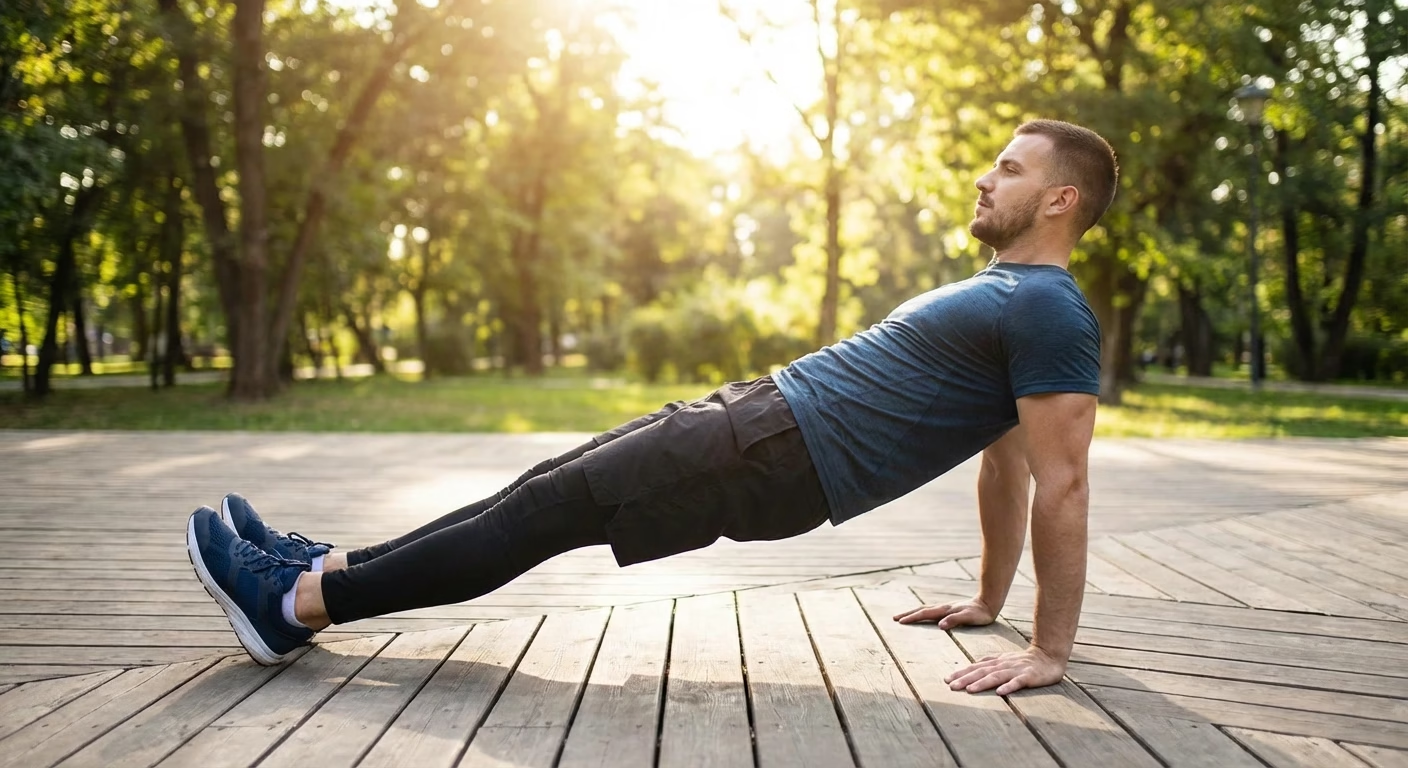
-Sit on a floor mat with your legs stretched out in front of you and your hands behind your hips, fingers pointing toward your feet.
-Keep your shoulders aligned and relax your neck.
Performing the exercise :
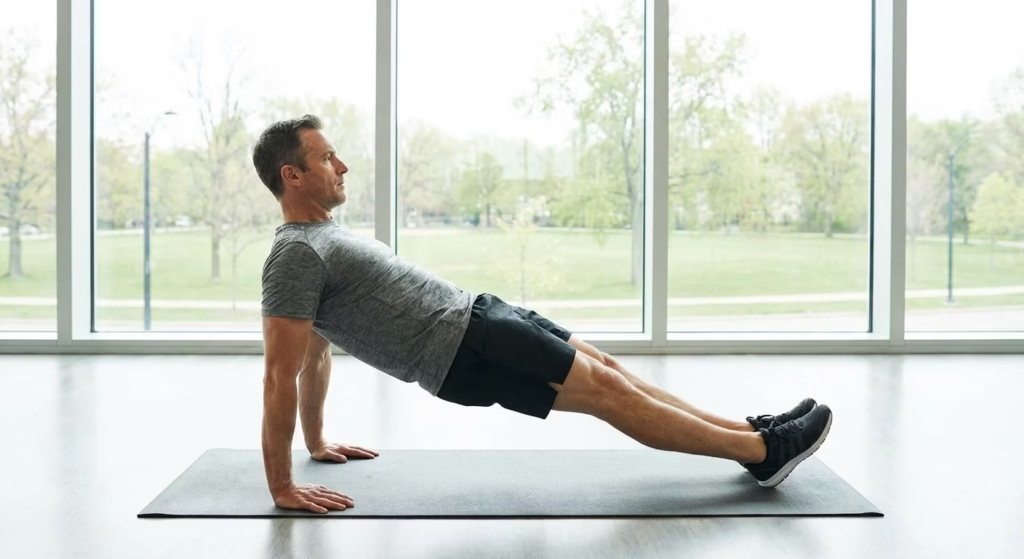
-As you inhale, push on your hands and heels to lift your hips toward the ceiling.
-Align your body to form a straight line from your heels to your head.
-Hold this position while contracting your glutes and keeping your shoulders open.
Tips for perfect execution :
-Keep your elbows slightly bent to avoid locking your joints.
-Do not let your hips sag during the exercise.
-Breathe regularly to avoid unnecessary tension.
How long should you hold the reverse plank?
For beginners :
-Start by holding the position for 10 to 15 seconds.
-Do 2 to 3 sets with a break between each one.
For advanced practitioners :
-Progress by holding the position for 30 to 60 seconds or more.
-Gradually increase the duration and number of sets according to your level.
Common mistakes to avoid :
Letting your hips drop :
-Poor activation of the glutes or hamstrings can cause your hips to sag.
Tense shoulders :
-Don’t let your shoulders contract toward your ears. Keep them open and engaged.
Not breathing :
-Holding your breath can cause unnecessary tension. Breathe calmly throughout the exercise.
Reverse plank variations :
Reverse plank on forearms :
-Place your forearms on the floor instead of your hands to reduce pressure on your wrists.
Reverse plank with leg lifts :
-Once in position, lift one leg at a time to intensify the work on your glutes and abs.
Dynamic reverse plank :
-Alternate between sitting and reverse plank positions to add a cardiovascular component to the exercise.
The overall benefits :
Strengthening of postural muscles :
-It helps correct muscle imbalances and prevent back pain.
Improved flexibility :
-Opening the shoulders and extending the hips promotes better mobility.
Overall toning :
-The reverse plank sculpts the glutes, firms the legs, and strengthens the core.
Incorporate the plank into your routine
At the beginning of your workout :
Use this exercise as a warm-up to activate your posterior muscles before more complex movements.
At the end of your workout :
Finish with the reverse plank to strengthen your back muscles after an abdominal-focused workout.
In combination with other exercises :
Combine it with movements such as the classic plank or squats for a complete workout.
The reverse plank is a simple but powerful exercise for strengthening the back muscles, improving posture, and toning the core. By following the steps outlined and avoiding common mistakes, you can maximize the benefits of this exercise. Incorporate it into your routine to balance your workout and take care of your body. So, grab your mats and enjoy the benefits of the reverse plank today!