



While true collagen only exists in animal tissue, finding effective collagen-rich foods vegetarian eaters can rely on comes down to choosing plants that supply the essential building blocks for synthesis. Your body naturally produces collagen by combining amino acids like glycine and proline with vital micronutrients such as vitamin C, zinc, and copper. By adding nutrient-dense plant foods like leafy greens, legumes, and citrus fruits to your meals, you supply the raw materials your body needs to maintain healthy skin, hair, and joints naturally.
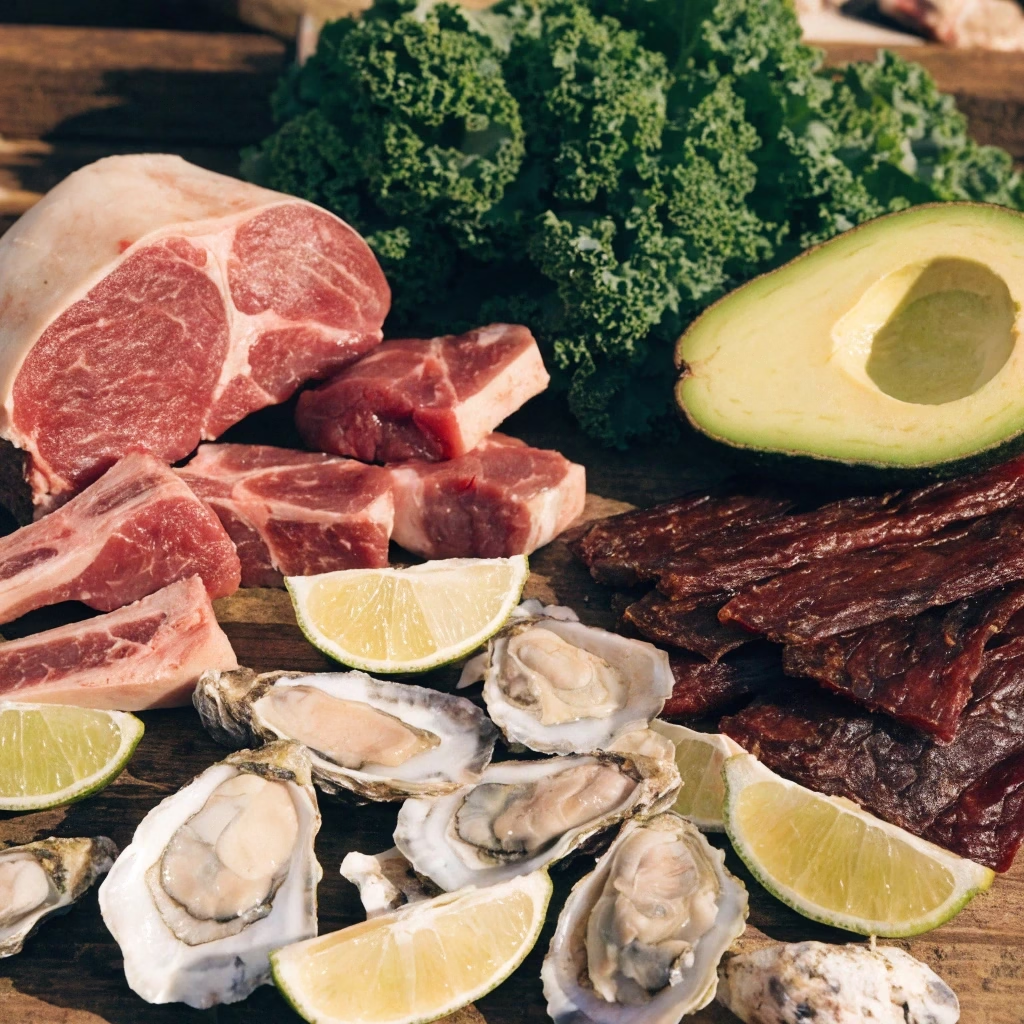
It’s no secret: the beauty industry loves to follow trends. In recent years, collagen supplements have taken the world by storm. From powder to liquid collagen supplements and gummies, not to mention the celebrity-endorsed bone broth, increasing your daily collagen intake offers many benefits. While supplements can make things easier, they’re only part of the equation. Don’t forget to eat a healthy diet, either!
Although the main sources of collagen are found in animal products, there are plenty of vegetarian and vegan options you can incorporate into your routine that can help boost protein production in your body. What are these foods? We’ll explain in the article below!
Collagen rich foods for vegetarian :
- Leafy greens :
Leafy greens are sometimes stereotyped as wilted lettuce taking up space in our refrigerators. But in fact, they’re a magic weapon for your health and an excellent source of collagen for vegetarians.
Arugula, spinach, kale, bok choy, and Swiss chard are rich in chlorophyll. Studies show that this antioxidant, which gives them their green color, may help boost vital collagen precursors.
Thanks to their antioxidant properties, the cells in your body are also protected against free radicals, which can sometimes interfere with collagen production. But promoting collagen production isn’t the only benefit leafy green vegetables offer.
They are packed with essential nutrients for the human body, including vitamins (vitamins A, C, K, and folate), minerals (calcium, magnesium, potassium, and iron), and fiber. This makes them one of the best vegetarian foods rich in collagen for the skin!
- Cashews :
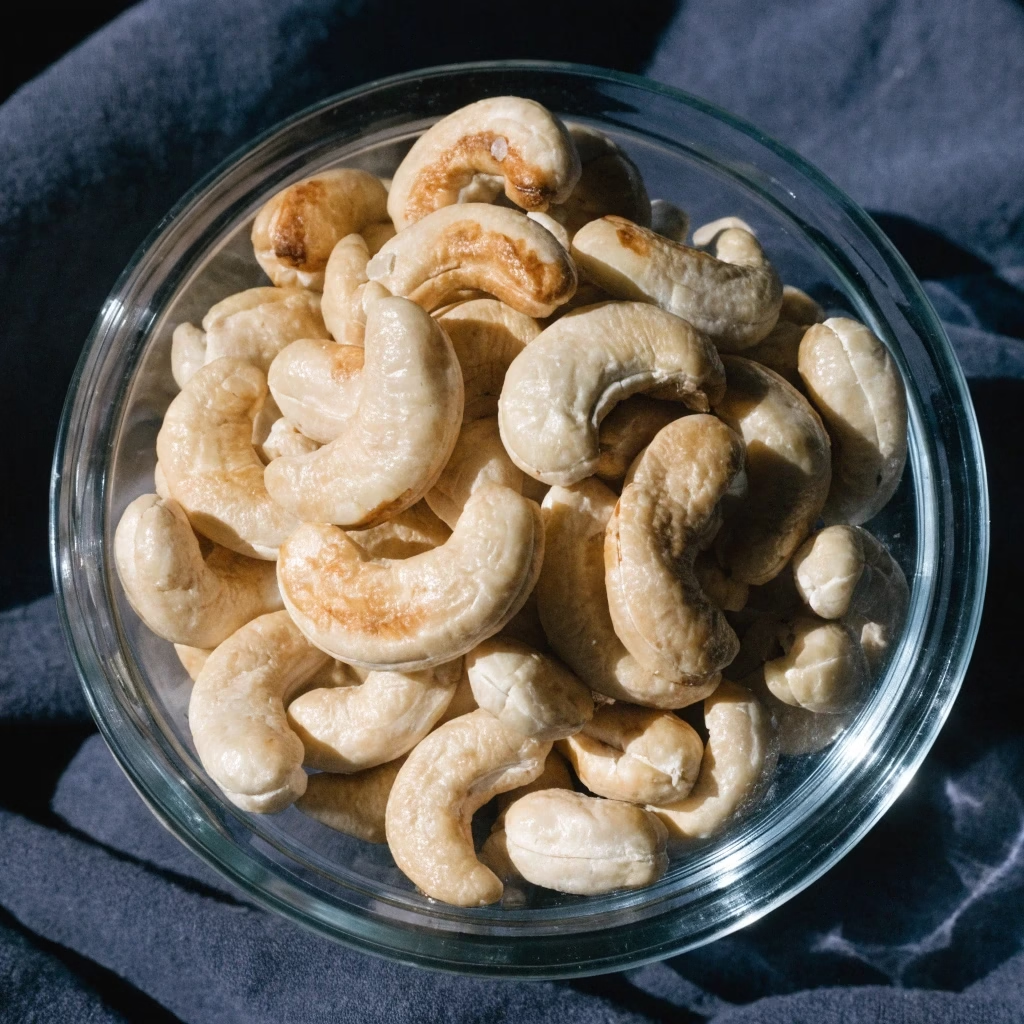
Most vegetarians are familiar with cashews, as they are known to be an excellent source of plant-based protein. But these delicious nuts are also rich in copper and zinc, which can help boost collagen production in your body.
According to research, these nutrients are important not only for the production of collagen but also for elastin, another essential protein that keeps your skin supple. In addition, zinc also plays a role in increasing the production of collagen fibers.
- Citrus fruits :
Surprisingly, vitamin C plays a major role in collagen production. Your body needs this powerful antioxidant to synthesize the protein. So make sure your diet includes citrus fruits like oranges, lemons, grapefruits, and limes. Don’t like citrus fruits? You can also consider adding yellow bell peppers to your meals.
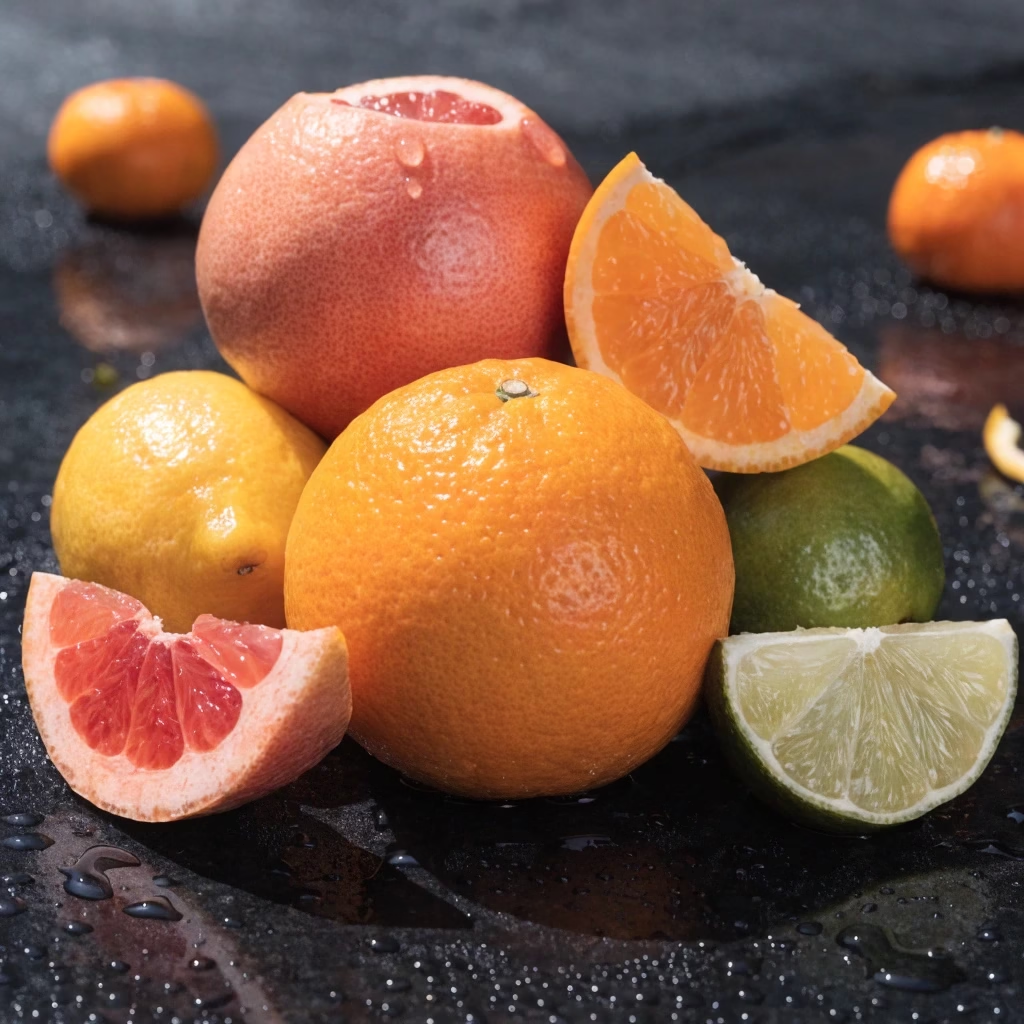
Of course, vitamin C is essential for many other processes in the human body. It also contributes to:
-Immune function
-Cardiovascular health
-Neurotransmitter production
-Wound healing
If you enjoy tropical fruits like mangoes and pineapples, you should know that they are an excellent source of spermidine.
- Beans and Legumes :
Beans might just be nature’s perfect food. Kidney beans, black beans, and lentils are all packed with minerals, vitamins, and phytochemicals that are essential for our health. And while they’re all rich in iron, chickpeas, in particular, are excellent for promoting collagen synthesis.
If you’re not sure how to incorporate them into your diet, remember that you can add them to a salad or chili, or even make a bean burger. When it comes to vegan collagen-rich foods, beans really are the best!
- Tomatoes :
Did you know that a single tomato can provide 30% of your daily vitamin C needs? That’s why these delicious fruits are a great food to include in your diet, especially if you want to boost your collagen levels.
Tomatoes, of course, are beneficial in many other ways. These red fruits contain an antioxidant phytonutrient called lycopene, which has been linked to preventing sunburn and improving heart health, as well as protecting against certain types of cancer.
- Garlic :
Garlic is a staple in most kitchens. But this vegetable does more than just add flavor to your dishes. It can also boost your collagen production.
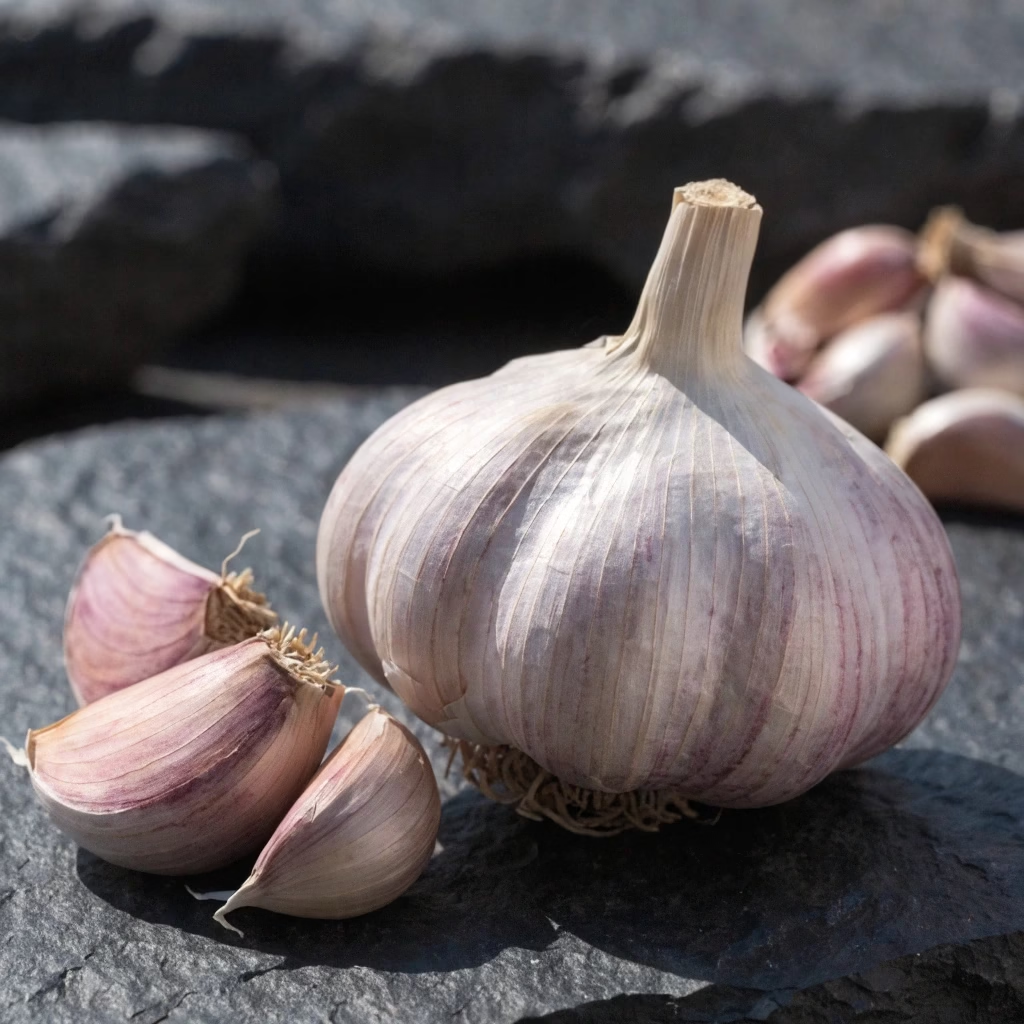
As science shows, garlic contains sulfur, a trace element that plays an important role in collagen synthesis and helps prevent collagen breakdown.
The only downside to garlic when it comes to collagen is that you have to eat a lot of it. But since it contains high levels of phosphorus, potassium, sulfur, and zinc, it’s well worth the effort!
- Quinoa :
Quinoa is one of the best collagen-rich foods for vegetarians. Just one cup of quinoa provides more than eight grams of collagen-supporting protein. And that’s not all: your body will also get zinc, which, as we’ve already mentioned, is beneficial for collagen production.
In addition, quinoa is gluten-free, which means it can help lower blood sugar levels and promote weight loss.
You might also be interested in our comparison of liquid collagen and powdered collagen.
Collagen Rich Foods Vegetarian : Final Thoughts
The benefits of collagen cannot be underestimated. This protein really does work its magic from the inside out! Although collagen is generally thought to be found in animal products, there are also many vegetarian foods rich in collagen. And the best part is that they’re all packed with collagen. All these plant-based foods rich in collagen are also packed with vitamins and minerals, so you can kill two birds with one stone.
In addition to these plant-based sources, collagen offers many benefits specifically for men, ranging from supporting joint health to improving skin elasticity. Learn more about the benefits of collagen for men.
Frequently Asked Questions
Do any vegetarian foods contain actual collagen?
No, true collagen is an animal protein found only in bones, skin, and connective tissue. Plants do not produce collagen, but they provide the essential amino acids, vitamins, and minerals your body requires to synthesize its own supply. Eating a varied plant-based diet supplies all the necessary building blocks naturally.
What are the most important nutrients for vegetarian collagen production?
Vitamin C, zinc, and copper are the primary micronutrients necessary for your body to create collagen fibers. In addition, you need adequate protein to obtain amino acids like proline and glycine, which are abundant in legumes, nuts, and seeds. Antioxidants like chlorophyll and lycopene also help protect existing collagen from oxidative stress.
Can you maintain healthy skin and joints on a vegetarian diet without supplements?
Yes, a well-planned vegetarian diet can provide everything your body needs to maintain strong connective tissues and firm skin. As long as you consume sufficient protein and eat plenty of colorful fruits and vegetables, your body will naturally produce collagen on its own. Sun protection and staying hydrated also play major roles in preserving skin elasticity.
What are vegan or vegetarian collagen supplements made of?
Most supplements labeled as vegetarian or vegan collagen do not contain actual collagen protein. Instead, they are collagen builders made from plant extracts, amino acids, and vitamins designed to support your body’s natural synthesis. While lab-grown vegan collagen from yeast and bacteria is in development, whole foods remain the most accessible daily source of nutrients.
Which fruits help boost collagen levels the fastest?
Citrus fruits such as oranges, lemons, and grapefruits are top choices because they are exceptionally high in vitamin C, a required cofactor for collagen production. Berries, kiwis, and tropical fruits like mango are also great options that supply both vitamin C and protective antioxidants. Incorporating a mix of these fruits into your daily routine helps support consistent protein synthesis.