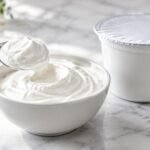



Quick answer: cottage cheese at 2% milkfat has 11 g of protein and about 84 calories per 100 g, from USDA FoodData Central entry 328841. A 24 oz (680 g) tub holds about 74.8 g of protein, and at the price already published on this site, $2.87, that is about 3.8 cents per gram of protein. One cup, 220 g by the USDA portion, carries 24.2 g of protein.
A cup of cottage cheese adds 24.2 g of protein to a plate with no cooking at all. The numbers below are for the 2% version, not the full-fat tub, and the sodium is on the label.
Protein in cottage cheese per 100 g
| Nutrient | Per 100 g |
|---|---|
| Energy | 352 kJ (84 kcal) |
| Protein | 11.0 g |
| Total fat | 2.3 g |
Protein per cup and per tub
| Portion | Weight | Protein | Energy |
|---|---|---|---|
| One cup (USDA portion) | 220 g | 24.2 g | 185 kcal |
| FDA reference amount (21 CFR 101.12) | 110 g | 12.1 g | 93 kcal |
A full 680 g tub is roughly three cups. Dividing it into five 136 g portions gives about 15 g of protein each, which is a practical way to use a tub before it turns.
Cost per gram of protein
This page uses a price that is already published on this site: $2.87 for a 24 oz (680 g) tub, from the cost table on the cottage cheese pasta recipe, with Walmart.com prices checked on 8 October 2026.
| Step | Value |
|---|---|
| Tub weight | 680 g |
| Protein in the tub | 680 g x 0.11 = 74.8 g |
| Cost per gram of protein | $2.87 / 74.8 g = $0.038 |
| Cost for 20 g of protein | $0.77 |
Change the tub price and everything else stays the same, because the protein per gram does not depend on the shop.
How it compares with Greek yogurt and canned tuna
| Food | Protein | Energy | Fat |
|---|---|---|---|
| Cottage cheese, 2% (328841) | 11.0 g | 84 kcal | 2.3 g |
| Greek yogurt, plain nonfat (330137) | 10.3 g | 61 kcal | 0.37 g |
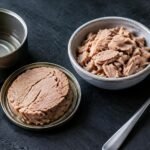
| Canned light tuna in water, drained (334194) | 19.0 g | 90 kcal | 0.94 g |
Cottage cheese and Greek yogurt land within 1 g of protein per 100 g. The difference is fat and how you use them: blended for sauces, or spooned cold.
How to use a tub without wasting it
- Keep the tub upside down for an hour before opening, so the whey mixes back in.
- Blend it smooth for sauces and dips, where the curds are the only thing people notice.
- Portion what you will not finish in three days and freeze it, accepting a softer texture after thawing.
Frequently asked questions
Is full-fat cottage cheese higher in protein? No, the protein stays close to 11 g per 100 g; the fat and the calories go up. This page uses the 2% entry because that is what the price reference covers.
Does draining change the protein? It removes liquid, not protein, so a drained portion holds more protein per gram than the tub average.
Where does the price come from? From the cost table published on the cottage cheese pasta recipe page, which lists Walmart.com prices checked on 8 October 2026. A newer check may move it.
Sources. USDA FoodData Central entry 328841 (Cheese, cottage, lowfat, 2% milkfat), read on 22 November 2026, energy converted from kilojoules with 4.184. Portion weights from the same record; the 110 g reference amount is from FDA 21 CFR 101.12. Price from cottage cheese pasta.