


Quick answer: canned light tuna in water, drained, has 19 g of protein and about 90 calories per 100 g, from USDA FoodData Central entry 334194. The drained solids of one 5 oz can weigh 107 g, which is 20.3 g of protein, and at the price published on this site that is about 4.7 cents per gram. A can is therefore roughly 96 calories and 20 g of protein for under a dollar.
Canned tuna is the protein that needs no cooking, no fridge before opening and no planning. The two numbers people get wrong are the drained weight and the sodium, and both are on the label.
Protein in canned tuna per 100 g
| Nutrient | Per 100 g |
|---|---|
| Energy | 376 kJ (90 kcal) |
| Protein | 19.0 g |
| Total fat | 0.94 g |
The USDA record describes the drained solids, which is what ends up in the bowl. The water it is packed in adds weight to the can, not protein.
Protein per can
| Portion | Weight | Protein | Energy |
|---|---|---|---|
| One can, contents (5 oz) | 142 g | 27.0 g | 128 kcal |
| One can, drained solids | 107 g | 20.3 g | 96 kcal |
Draining costs you about 35 g of water and nothing else. It also concentrates the protein per gram, which is why the drained figure is the honest one.
Cost per gram of protein
This page uses a price already published on this site: two 5 oz cans for $1.92, from the chickpea tuna salad cost table, with Walmart.com prices checked in October 2026. That is $0.96 a can.
| Step | Value |
|---|---|
| Price per can | $0.96 |
| Drained weight per can | 107 g |
| Protein per can | 107 g x 0.19 = 20.3 g |
| Cost per gram of protein | $0.96 / 20.3 g = $0.047 |
| Cost for 20 g of protein | $0.94 |
Bulk packs usually beat single cans on this measure, so divide in the same way before assuming the bigger pack is cheaper.
How it compares with cottage cheese and Greek yogurt
| Food | Protein | Energy | Fat |
|---|---|---|---|
| Canned light tuna in water, drained (334194) | 19.0 g | 90 kcal | 0.94 g |
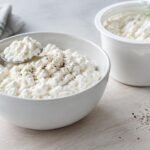
| Cottage cheese, 2% (328841) | 11.0 g | 84 kcal | 2.3 g |
| Greek yogurt, plain nonfat (330137) | 10.3 g | 61 kcal | 0.37 g |
Per 100 g, tuna carries almost twice the protein of the two dairy options, at a similar calorie count. That is the whole reason it belongs in a no-cook rotation.
How to use a can without weighing it every time
- Drain it in the lid, pressing lightly, and count the can as 20 g of protein.
- Mix it with Greek yogurt instead of mayonnaise and the protein goes up rather than down.
- Keep two cans in the cupboard, so a no-cook lunch never depends on a shop trip.
Frequently asked questions
Is tuna in oil higher in protein? The protein per 100 g drained is close, but the fat and the calories rise sharply, because oil replaces the water in the fish.
Should I count the can weight or the drained weight? Count the drained weight. The 5 oz on the can includes water you pour away.
Where does the price come from? From the cost table on the chickpea tuna salad page, with Walmart.com prices checked in October 2026. A newer check may move it.
Sources. USDA FoodData Central entry 334194 (Fish, tuna, light, canned in water, drained solids), read on 22 November 2026, energy converted from kilojoules with 4.184. Portion weights from the same record. Price from chickpea tuna salad.