


When appetite is smaller, a useful snack does not need to be large. These five GLP-1 friendly protein snacks use small portions, gentle textures and simple ingredients to provide roughly 12 to 20 grams of protein while staying under 150 calories per serving.
Important: This is general nutrition information, not medical advice. If you take a weight-loss medication, have persistent nausea or vomiting, cannot keep fluids down, have diabetes, or have a medical condition that affects eating, ask your prescribing clinician or a registered dietitian for individual guidance.
At-a-glance: five small high-protein snacks
| Snack | Calories | Protein | Prep | Estimated cost |
|---|---|---|---|---|
| Greek yogurt protein cup | 120 | 15 g | 2 minutes | $0.90–$1.40 |
| Cottage cheese cucumber cup | 105 | 13 g | 5 minutes | $0.65–$1.00 |
| Turkey and pickle roll-ups | 125 | 17 g | 3 minutes | $1.10–$1.70 |
| Edamame lemon cup | 145 | 13 g | 5 minutes | $0.70–$1.10 |
| Mini protein pudding | 140 | 18 g | 3 minutes | $0.85–$1.35 |
Prices are rough US grocery estimates and vary by store, brand and package size. Check the label on the product you buy, especially when calories or protein matter for your plan.
1. Greek yogurt protein cup
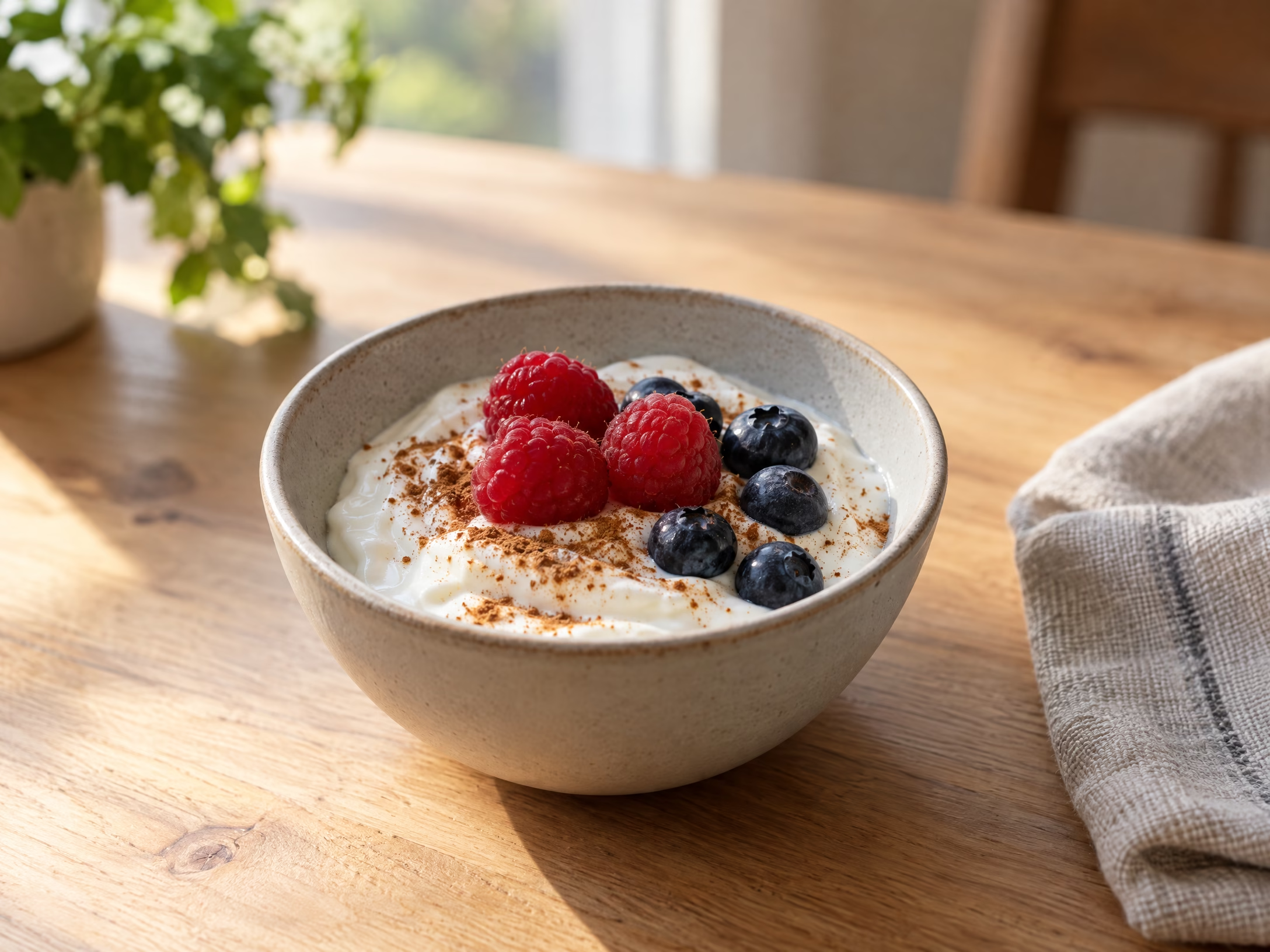
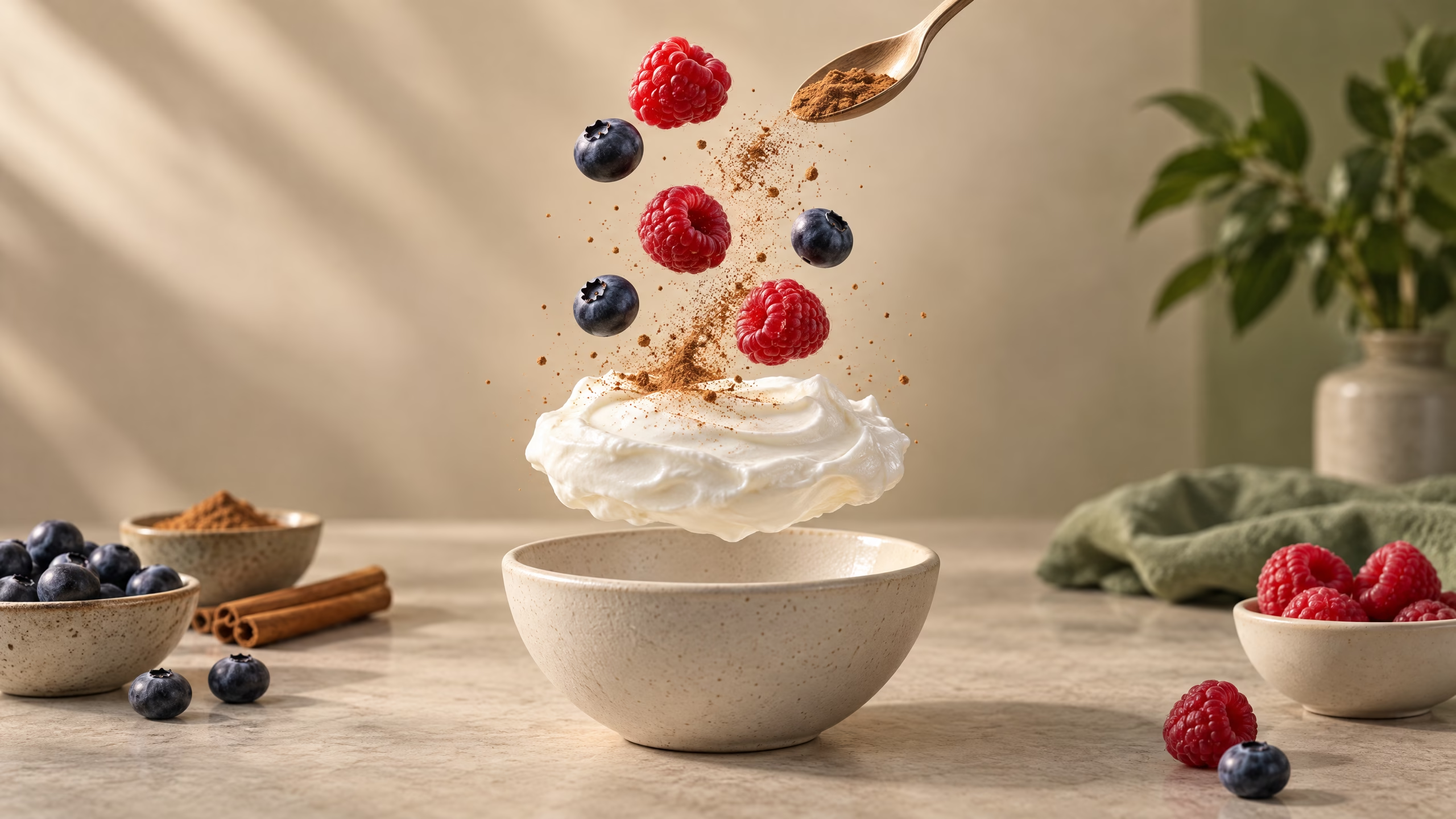
Per serving: about 120 calories and 15 g protein. Ingredients: 100 g plain nonfat Greek yogurt, vanilla extract, cinnamon and a few drops of stevia or a teaspoon of mashed berries.
- Spoon the yogurt into a small bowl.
- Stir in cinnamon and vanilla.
- Add berries only if you want extra flavor and can tolerate the volume.
This is one of the easiest options when you want a cool, soft texture. Choose plain yogurt so you can see the actual sugar and protein on the label. For a dairy-free version, use an unsweetened high-protein soy yogurt and recheck the nutrition panel.
2. Cottage cheese cucumber cup
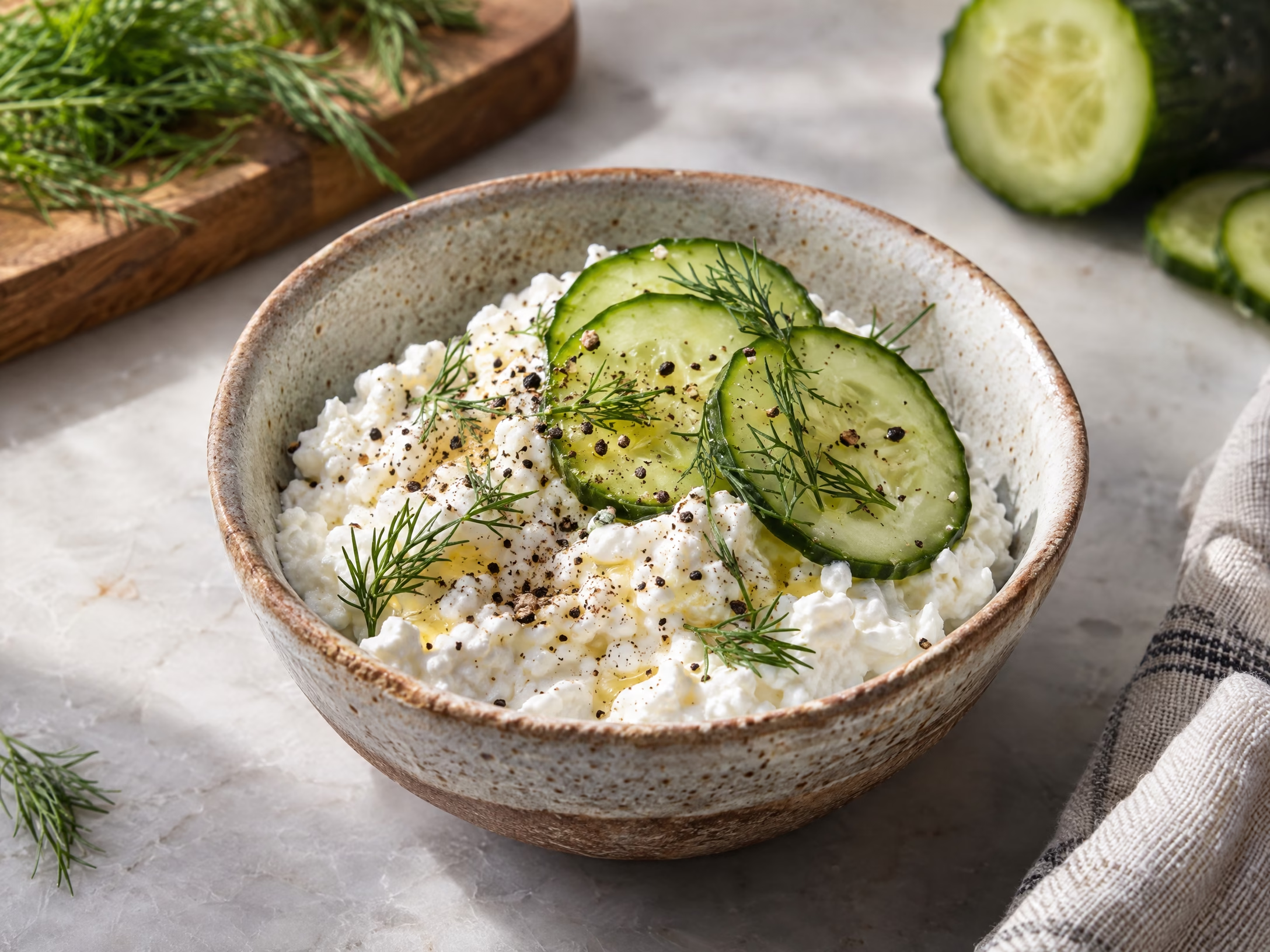
Per serving: about 105 calories and 13 g protein. Ingredients: 100 g low-fat cottage cheese, finely diced cucumber, dill and a squeeze of lemon.
- Put cottage cheese in a small cup.
- Fold in the cucumber, dill and lemon.
- Eat slowly; stop when comfortably satisfied.
Cucumber adds crunch without making the serving heavy. If large curds feel difficult, blend the cottage cheese until smooth before adding the cucumber. Use a low-sodium version if sodium is a concern for you.
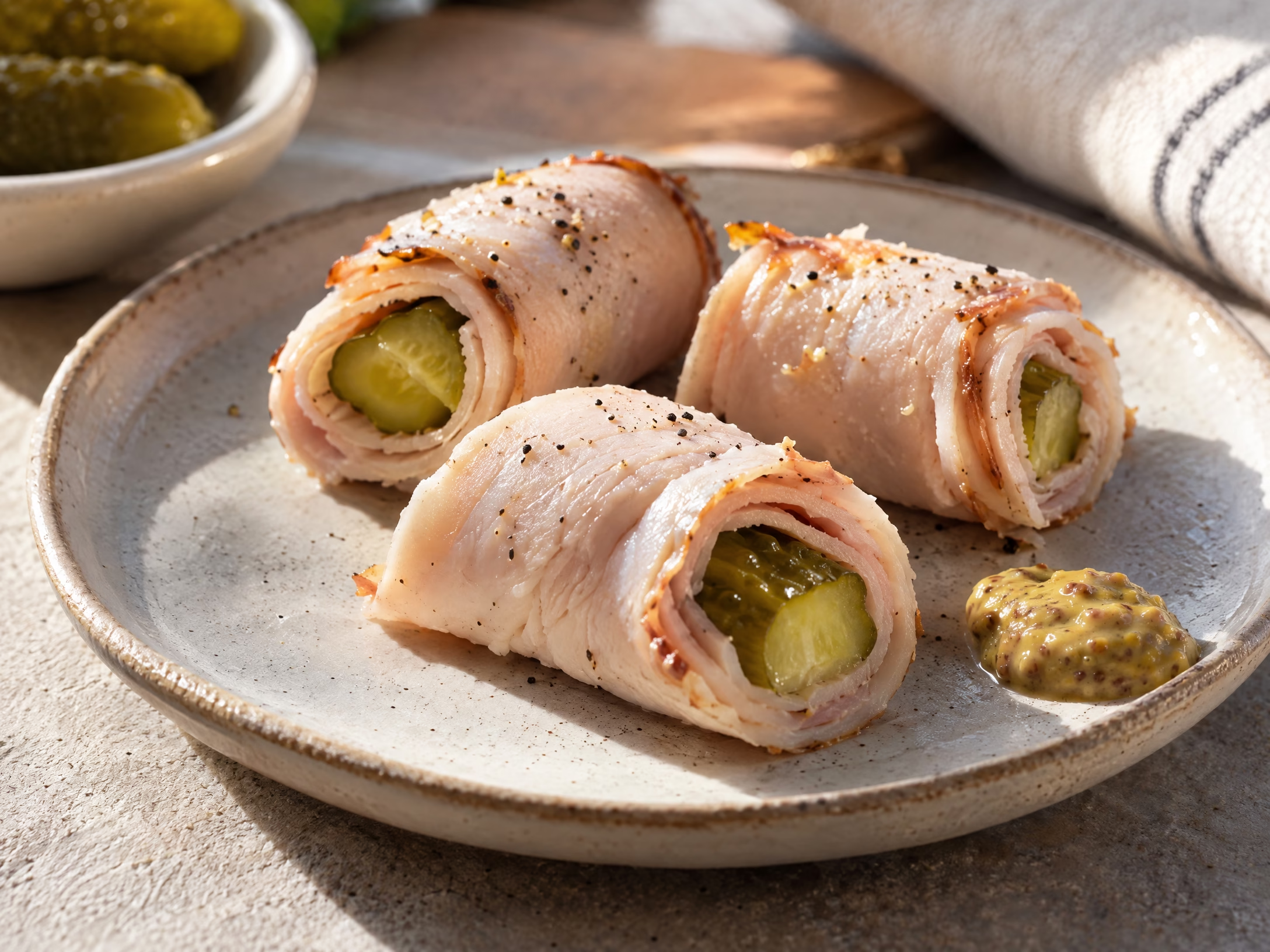
3. Turkey and pickle roll-ups
Per serving: about 125 calories and 17 g protein. Ingredients: 3 oz sliced turkey breast, one small pickle spear and a thin smear of mustard.
- Spread mustard lightly over the turkey.
- Place the pickle spear at one end.
- Roll tightly and cut into two or three small pieces.
This is a practical savory snack when you want protein without cooking. Choose turkey with a short ingredient list and compare sodium between brands. Replace the pickle with a thin cucumber strip if acidic foods bother your stomach.
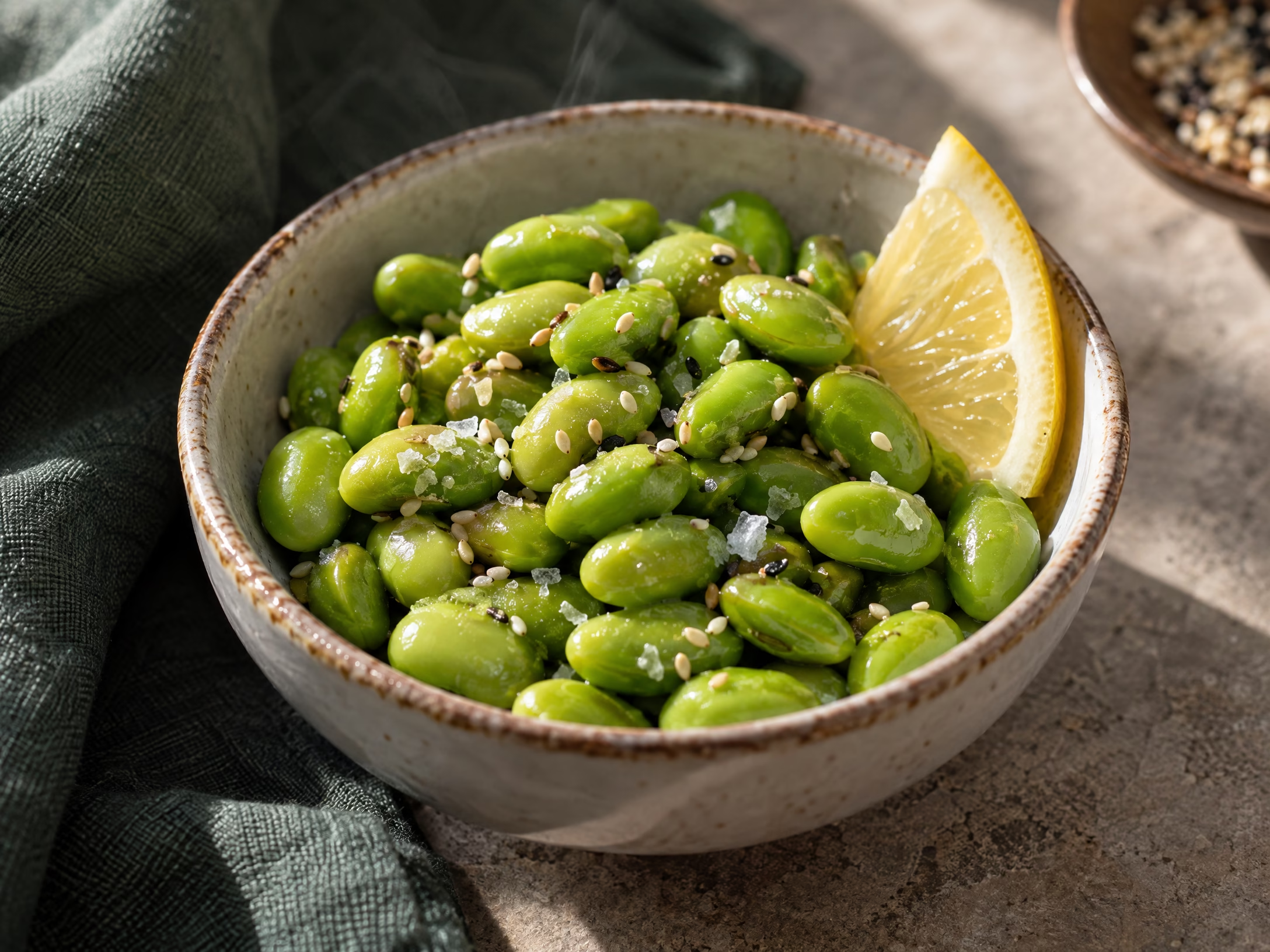
4. Edamame lemon cup
Per serving: about 145 calories and 13 g protein. Ingredients: 100 g shelled edamame, lemon juice and a pinch of sesame seeds or salt.
- Steam or microwave the edamame until warm.
- Let it cool for a minute, then add lemon.
- Eat one bean at a time rather than rushing the portion.
Edamame provides plant protein and fiber in a small bowl. If fiber feels uncomfortable, start with half the portion and see how you feel. Frozen shelled edamame is usually the easiest budget option.
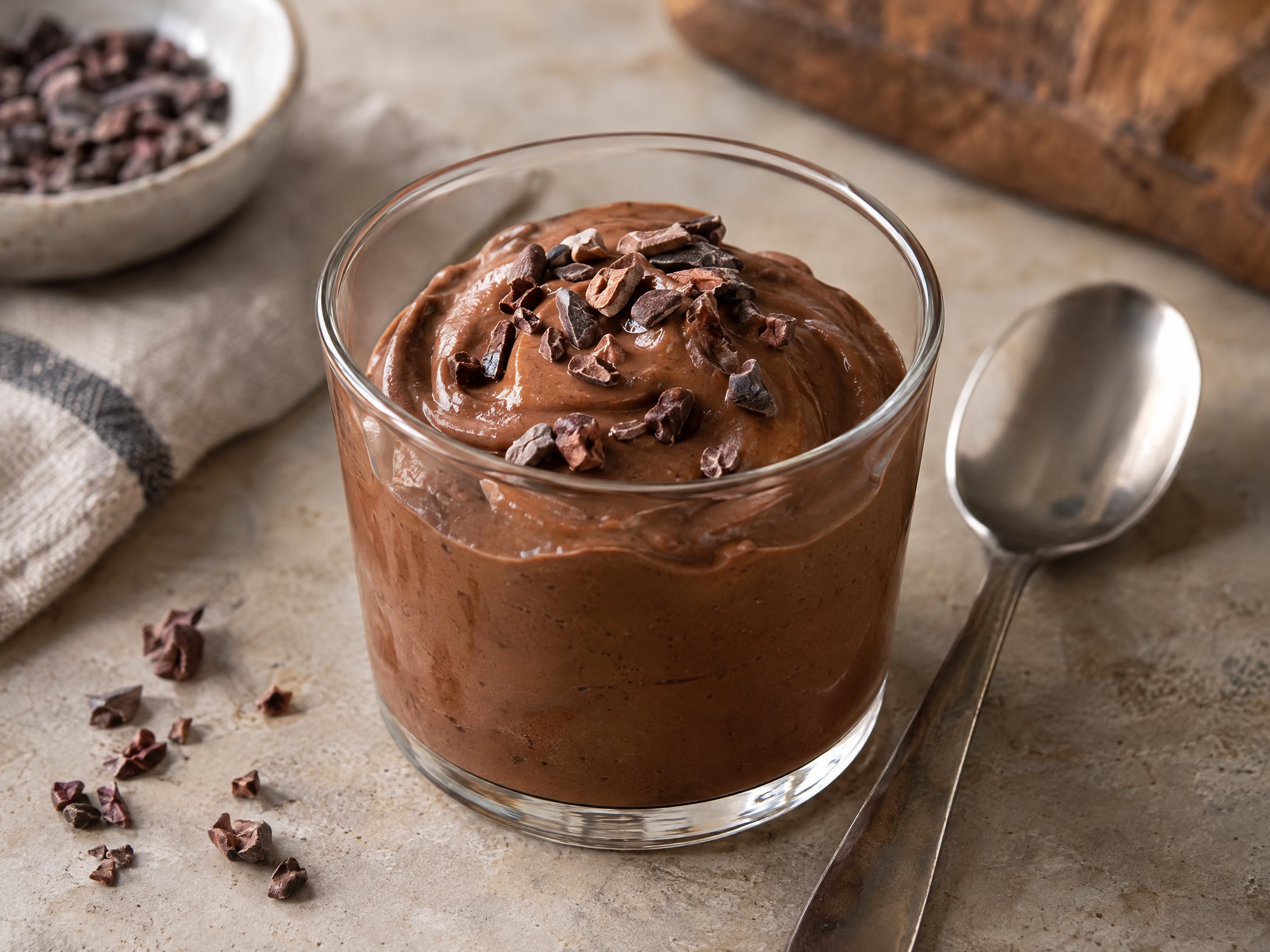
5. Mini protein pudding
Per serving: about 140 calories and 18 g protein. Ingredients: 150 g nonfat Greek yogurt, 10 g chocolate protein powder and one teaspoon unsweetened cocoa.
- Mix the yogurt, protein powder and cocoa in a small bowl.
- Add one teaspoon of water if the mixture is too thick.
- Chill for 10 minutes if you prefer a firmer texture.
Use a protein powder that you already tolerate. Some powders contain sugar alcohols or thickeners that can cause digestive discomfort, so check the ingredient list and start with a small portion.
How to choose a snack on a low-appetite day
Start with texture and tolerance, then consider protein. Soft foods such as yogurt or pudding may be easier than dry foods. Warm foods may feel better than cold foods for some people, while others prefer chilled snacks. Keep portions small, eat slowly and avoid forcing yourself to finish a serving.
For more ideas, see our GLP-1 friendly recipes guide and our high-protein snacks under 200 calories. If you use protein powder, compare labels in our gluten-free protein powder guide.
Storage and food-safety notes
Keep yogurt, cottage cheese, turkey and prepared edamame refrigerated. Prepare only what you expect to eat, use clean utensils and follow the storage instructions on the package. Do not leave dairy or meat snacks at room temperature for extended periods.
FAQ
What makes a snack GLP-1 friendly?
Usually a small portion, a clear protein source, moderate fat and a texture that is easy for you to tolerate. There is no single official GLP-1 diet, and personal tolerance matters.
Can I eat these snacks if I do not take a GLP-1 medication?
Yes. They are simply small, protein-rich snack ideas. Adjust portions and ingredients to your own calorie, protein and dietary needs.
Should I prioritize protein or calories?
Both matter, but tolerance and hydration come first when appetite is low. A clinician or dietitian can help you set an appropriate protein target.
How can I lower the cost per serving?
Buy plain yogurt in a larger tub, choose frozen edamame, compare store-brand cottage cheese and use turkey only when it fits your budget. Recalculate the cost when prices change.