


If you’ve been searching for how to be better in bed, you’re not alone — it’s one of the most common questions people have about their relationships. The good news is that learning how to be better in bed has less to do with technique and more to do with connection, communication, confidence, and — as we’ll cover in depth — your fitness and nutrition. Here’s a grounded look at what actually makes a difference.
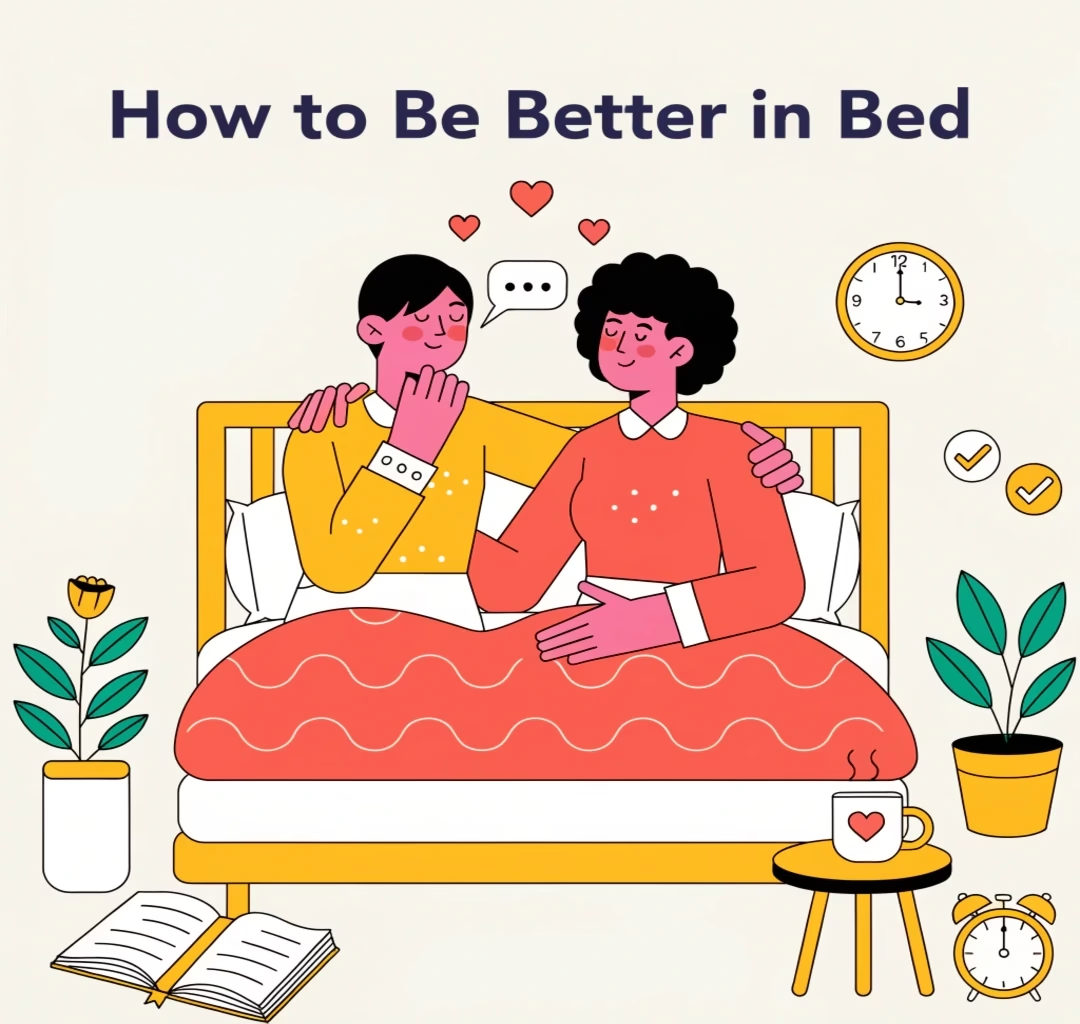
1. How to Be Better in Bed: Communication Is the Real Foundation
If you want to know how to be better in bed, start here: the single biggest factor in a satisfying intimate life is talking openly with your partner — before, during, and after.
- Ask, don’t assume. What feels good varies enormously from person to person. Check in with simple questions like “Does this feel good?” or “Want me to go slower/faster/somewhere else?”
- Give feedback kindly. If something isn’t working, guide your partner gently rather than staying silent and disengaged.
- Talk outside the bedroom too. Some of the most useful conversations about desires, boundaries, and preferences happen in a relaxed, low-pressure setting — not in the moment.
2. Prioritize Foreplay and Build-Up
One of the simplest answers to how to be better in bed is: slow down. Rushing tends to shortchange the experience for everyone involved.
- Anticipation and build-up often matter more than any single “move.”
- Pay attention to the whole body, not just the obvious areas — kissing, touch, and verbal affection all add to arousal.
- Remember that people often need different amounts of time to feel fully aroused; patience pays off.
3. How to Be Better in Bed: Fit & Nutrition: The Physical Foundation
This is where a lot of people looking into how to be better in bed are surprised to learn just how much of a role their body’s baseline fitness and diet play. Your cardiovascular health, muscle tone, and what you eat directly shape your energy, stamina, circulation, and hormone balance — all of which show up in the bedroom.
Fitness

- Cardiovascular exercise (running, swimming, cycling, brisk walking) is one of the most well-supported ways to improve blood flow and stamina, both of which matter directly for arousal, endurance, and performance.
- Strength training (2–3 sessions a week) builds overall stamina, posture, and body confidence. Feeling physically strong often translates into feeling more present and confident in intimate moments.
- Core and pelvic floor exercises — planks, bridges, and Kegel exercises (beneficial for any gender) — can improve control, stability, and sensation.
- Flexibility and mobility work (yoga, dynamic stretching) supports comfort in a wider range of positions and reduces the risk of strain or injury.
- Consistency beats intensity. Even a modest, steady routine — 20–30 minutes of movement most days — tends to boost energy, mood, and libido more reliably than occasional intense workouts.
- Sleep and recovery matter as much as the workouts themselves. Poor recovery undermines hormone balance and leaves you with less energy overall.
Nutrition
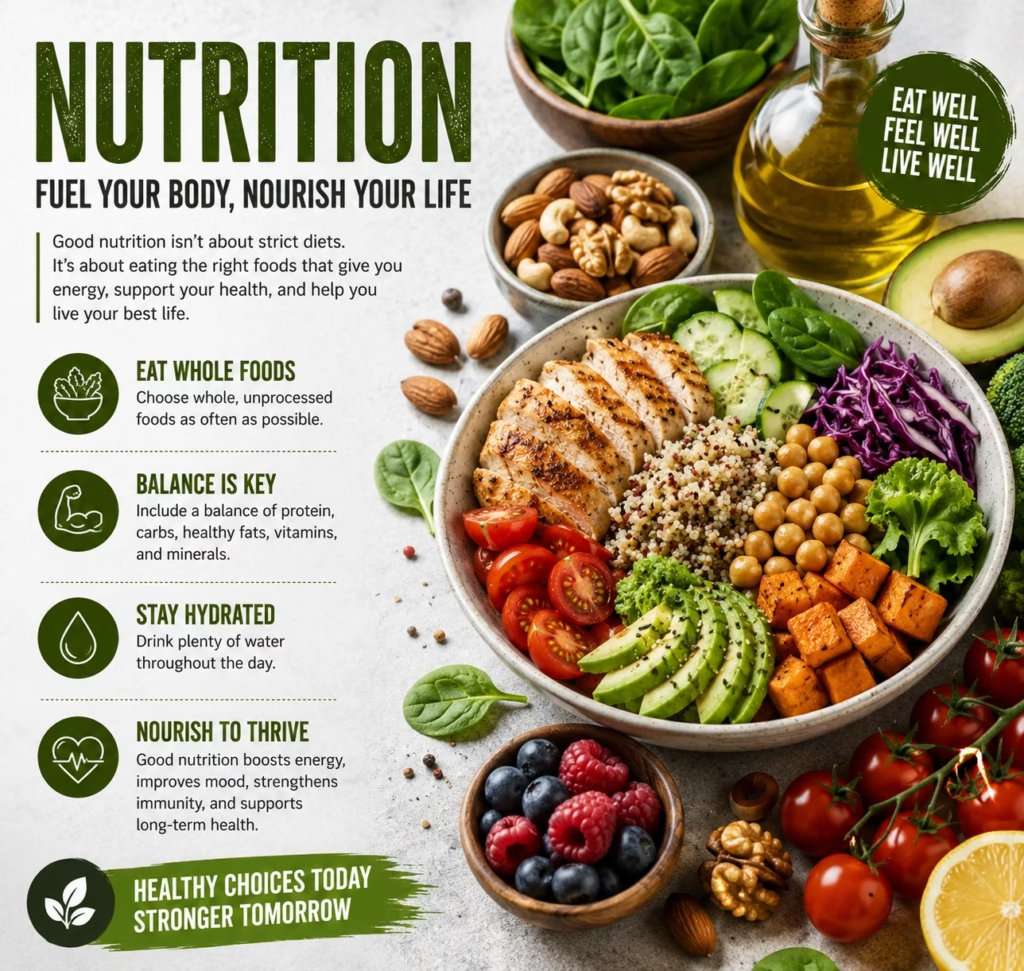
- Build meals around whole foods: vegetables, fruits, lean proteins, whole grains, and healthy fats (olive oil, nuts, seeds, avocado). These support good circulation, stable energy, and healthy hormone production.
- Stay hydrated. Even mild dehydration measurably lowers energy and can dampen libido and physical performance.
- Watch alcohol and heavy meals before intimacy. Both can dull sensation, sap energy, and interfere with performance.
- Limit excess sugar and heavily processed food. These are linked to energy crashes, weight gain, and, over time, poorer circulation.
- Foods often associated with cardiovascular health — leafy greens, berries, citrus fruits, beets, and omega-3-rich foods like salmon and walnuts — support the blood flow that benefits sexual function. No single “superfood” is a magic fix, but a consistently good diet adds up.
- Maintain a healthy weight through the combination of diet and exercise — this supports hormone balance, energy, and confidence.
- Consider a check-in with a doctor or nutritionist if you have specific health goals or conditions (like diabetes or high blood pressure) affecting energy and circulation.
Put together, fitness and nutrition build the physical foundation — energy, stamina, confidence, and circulation — that makes everything else easier.
4. Get Comfortable With Your Own Body
Confidence is a huge part of how to be better in bed, and it comes from familiarity with what you enjoy and what you don’t.
- Understanding your own responses makes it easier to guide a partner.
- Self-consciousness is one of the biggest blockers to a good experience — focus on being present rather than on how you look or perform.
5. Read (and Respond to) Nonverbal Cues
Beyond words, pay attention to:
- Breathing changes
- Body movement and tension
- Sounds and reactions
Adjust based on what you notice, and don’t be afraid to ask if you’re unsure.
6. How to Be Better in Bed: Manage Performance Anxiety
Anyone genuinely trying to figure out how to be better in bed eventually runs into this: worrying about “performing well” often gets in the way of actually connecting.
- Shift the goal from “impressing” your partner to genuinely enjoying the experience together.
- Mistakes and awkward moments are normal — a sense of humor helps more than perfectionism.
- If anxiety is a recurring, significant issue, it can help to talk to a doctor or therapist.
7. Prioritize Consent and Emotional Safety
Nothing else matters if either partner doesn’t feel safe, respected, and enthusiastic.
- Check in regularly, especially when trying something new.
- Make it easy for your partner to say “not tonight” or “not that” without guilt or pressure.
- Emotional trust often translates directly into physical comfort and satisfaction.
8. Keep Learning Together
- Explore what you and your partner enjoy through open conversation rather than guesswork.
- Books, workshops, or trusted resources from certified sex therapists can offer new ideas.
- Treat it as an ongoing, evolving part of your relationship rather than something to “master” once.