


To keep muscle on Ozempic (semaglutide), eat enough protein at every meal and keep doing some strength training. Many experts suggest about 1.2 to 1.6 g of protein per kg of body weight per day while losing weight, spread over 3 or 4 meals of 25 to 40 g each. The four meals below give you 29 to 43 g of protein each with simple foods.
Why do people lose muscle on Ozempic?
Ozempic lowers your appetite, so you eat less of everything, including protein. When you lose weight fast, part of it comes from lean mass, not only fat. In the STEP 1 trial of semaglutide 2.4 mg (Wilding et al., New England Journal of Medicine, 2021), a body-scan sub-study found that lean mass made up close to 40% of the total weight lost.
Lean mass is not only muscle. It also includes water and organs. But muscle is the part you can protect, and it matters: it helps you stay strong, move well, and keep your weight off after you stop losing.
Two things help the most:
- Enough protein, eaten through the day.
- Strength training 2 or 3 times a week, even with body weight or light dumbbells.
How much protein do you need on Ozempic?
The basic RDA is 0.8 g of protein per kg of body weight. That is a minimum for healthy adults who are not dieting. During weight loss, many dietitians and research reviews suggest more, often 1.2 to 1.6 g per kg, to help hold on to muscle.
Here is what that looks like:
- 70 kg (154 lb): about 84 to 112 g of protein a day
- 90 kg (198 lb): about 108 to 144 g a day
- 110 kg (243 lb): about 132 to 176 g a day
If you have kidney disease or another medical condition, ask your doctor what amount is right for you before you raise your protein.
How do you eat enough protein when you are never hungry?
This is the real problem for most people on GLP-1 medicines. A big plate is hard to finish. These habits help:
- Eat the protein first. Start with the chicken, eggs, or yogurt before the rice or bread.
- Use small, dense foods. Greek yogurt, cottage cheese, canned tuna, and chicken breast give a lot of protein in a small portion.
- Split it up. Four small meals of 25 to 30 g are easier than two big ones.
- Drink some of it. A shake is easier to finish than a full plate on low-appetite days.
- Keep fat moderate. Many people find greasy food harder to handle on Ozempic.
Which foods give the most protein per portion?
All values are from USDA FoodData Central and are rounded.
| Food | Portion | Protein | Calories |
|---|---|---|---|
| Chicken breast, cooked | 100 g | 31 g | 165 |
| Canned tuna in water, drained | 100 g | 26 g | 116 |
| Greek yogurt, nonfat | 170 g | 17 g | 100 |
| Cottage cheese, 2% | 113 g | 12 g | 92 |
| Eggs, large | 2 eggs | 13 g | 143 |
| Lentils, cooked | 100 g | 9 g | 116 |
What are easy high-protein meals for Ozempic?
Each recipe makes 1 serving. Weights for meat and grains are cooked weights. Nutrition is calculated from USDA values for the exact amounts listed.
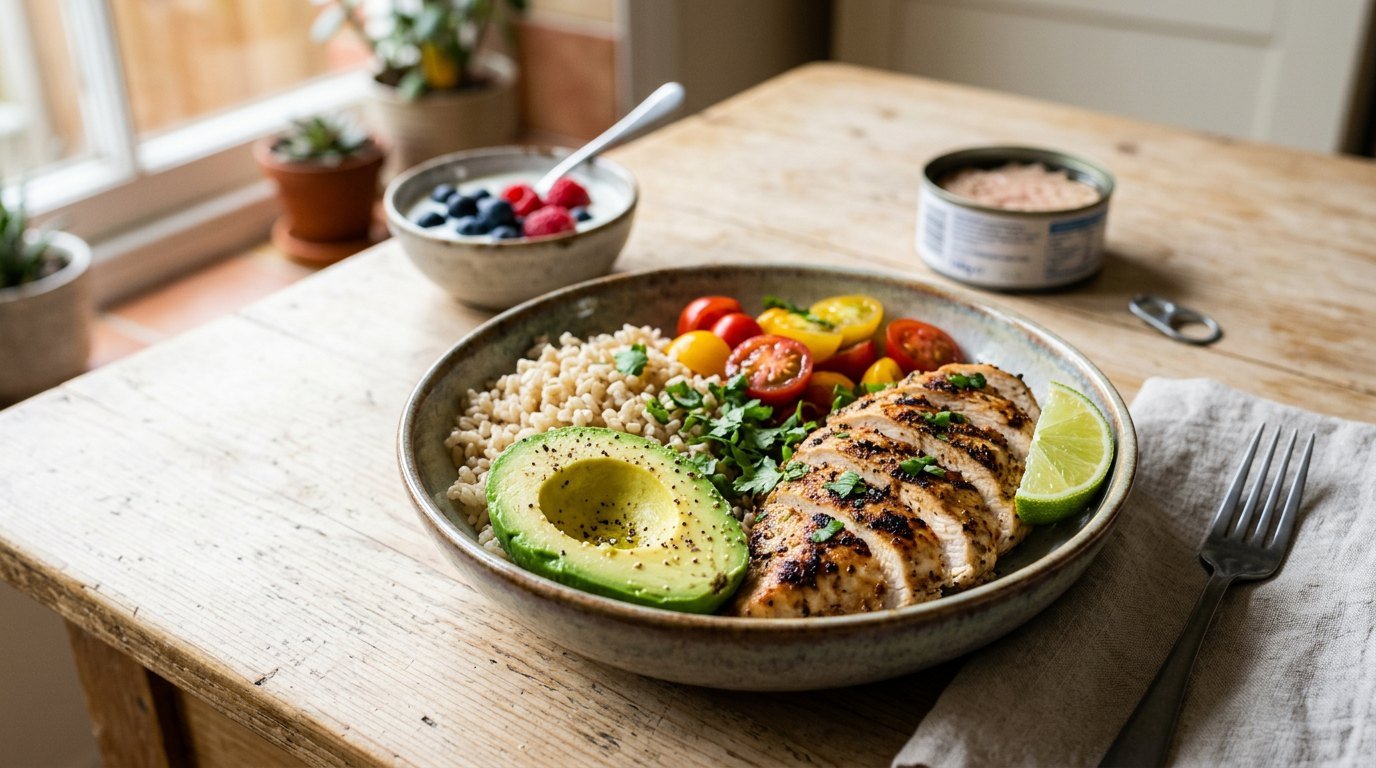
Chicken, Rice and Avocado Bowl (1 serving: 420 calories, 42 g protein)
Ingredients
- 120 g cooked chicken breast, sliced
- 100 g cooked brown rice
- 50 g avocado (about 1/3 of a medium avocado)
- 100 g cherry tomatoes, halved
- Juice of 1/2 lime, salt and pepper
- Warm the rice and put it in a bowl.
- Add the chicken, tomatoes, and sliced avocado.
- Squeeze the lime on top and season with salt and pepper.
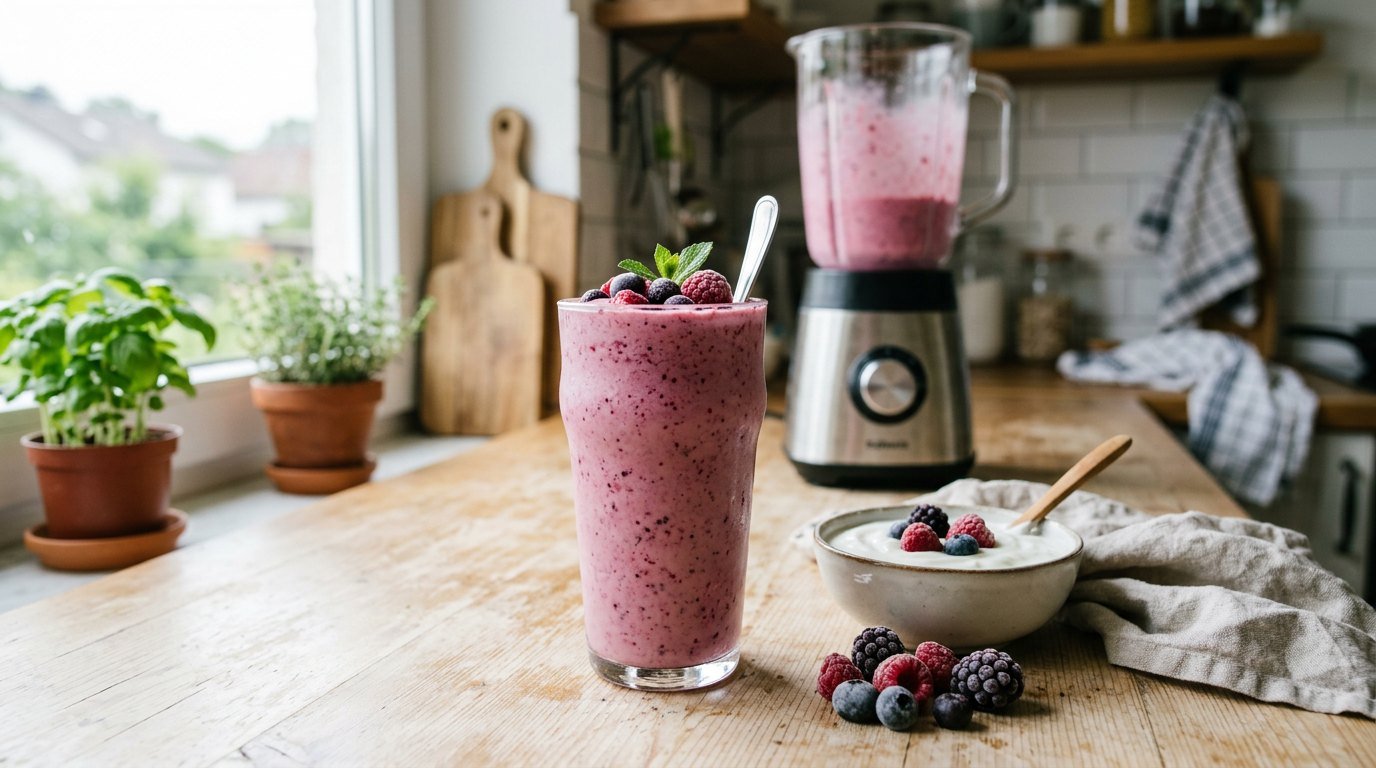
Berry Greek Yogurt Protein Shake (1 serving: 285 calories, 43 g protein)
Ingredients
- 30 g whey protein powder (1 scoop, about 24 g protein)
- 170 g plain nonfat Greek yogurt
- 100 g frozen mixed berries
- 120 ml unsweetened almond milk
- Put everything in a blender.
- Blend for 30 to 45 seconds until smooth.
- Drink it slowly. You can keep half in the fridge for later in the day.
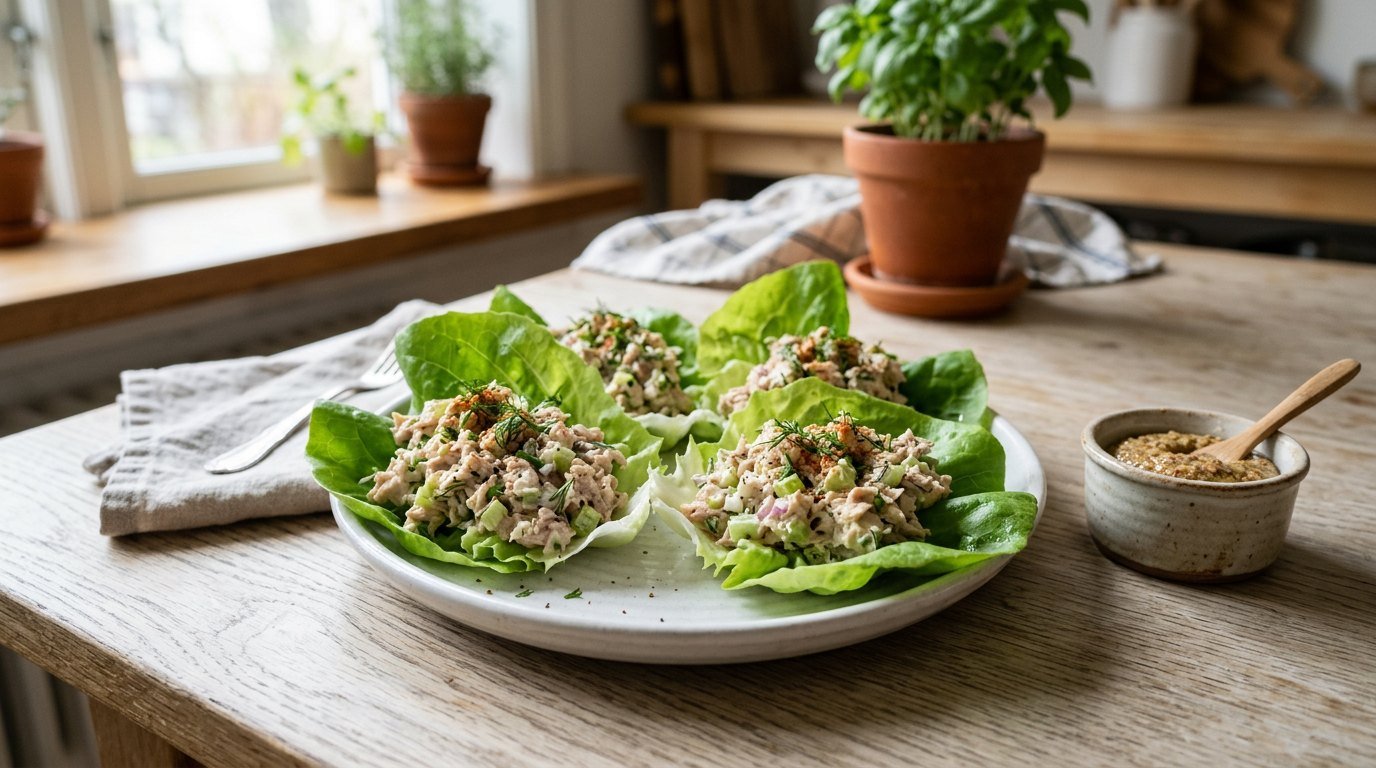
Light Tuna Salad Lettuce Cups (1 serving: 190 calories, 37 g protein)
Ingredients
- 1 can (5 oz) tuna in water, drained (about 120 g)
- 50 g plain nonfat Greek yogurt
- 50 g celery, finely diced
- 1 tsp (5 g) Dijon mustard
- 4 to 5 lettuce leaves (about 50 g), salt and pepper
- Mix the tuna, yogurt, celery, and mustard in a bowl.
- Season with salt and pepper.
- Spoon the mixture into the lettuce leaves and serve.
Egg and Cottage Cheese Scramble on Toast (1 serving: 320 calories, 29 g protein)
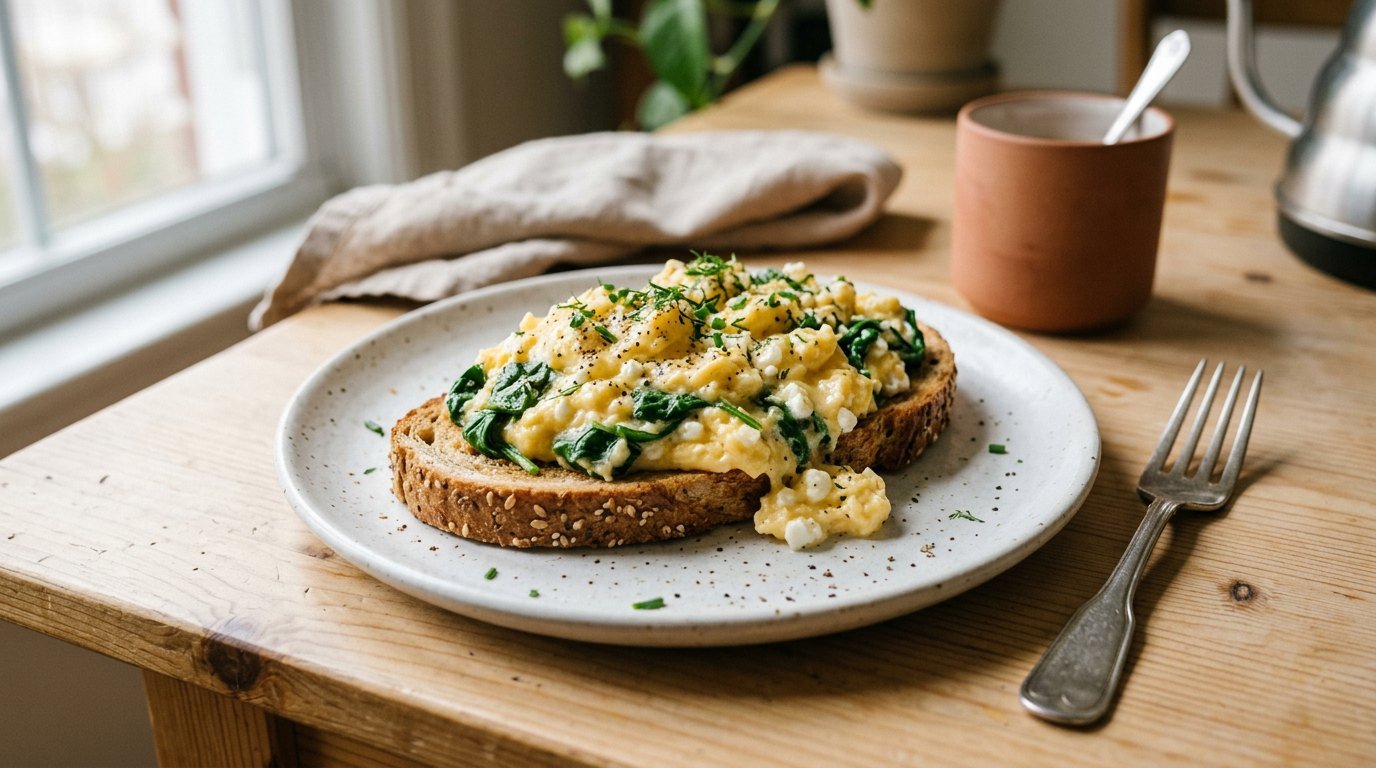
Ingredients
- 2 large eggs
- 113 g (1/2 cup) 2% cottage cheese
- 30 g baby spinach
- 1 slice (32 g) whole-wheat bread, toasted
- Cooking spray, salt and pepper
- Spray a non-stick pan and warm it over medium-low heat.
- Add the spinach and stir for 1 minute until it wilts.
- Beat the eggs with the cottage cheese, pour into the pan, and stir gently for 2 to 3 minutes until just set.
- Serve on the toast.
What does a full day of eating look like?
Here is a simple example for someone who weighs about 80 kg and aims for around 110 g of protein:
- Breakfast: Egg and cottage cheese scramble on toast (29 g)
- Lunch: Tuna salad lettuce cups (37 g)
- Afternoon: Half of the berry protein shake (21 g)
- Dinner: Half of the chicken bowl, plus a side of vegetables (21 g)
That adds up to about 108 g of protein and roughly 865 calories. If you are less hungry, you can split meals into smaller portions eaten every few hours. If your doctor or dietitian gave you a calorie target, add foods like fruit, whole grains, or nuts to reach it.
Does strength training help keep muscle on Ozempic?
Yes. Protein gives your body the building blocks, but muscles need a reason to stay. Research on dieting adults shows that resistance training helps keep more lean mass during weight loss. Start small:
- Squats to a chair, 2 sets of 10
- Wall or knee push-ups, 2 sets of 8 to 10
- Dumbbell or water-bottle rows, 2 sets of 10 per arm
- Glute bridges, 2 sets of 12
Do this 2 or 3 times a week and add a little weight or a few reps when it starts to feel easy.
FAQ
Can I lose weight on Ozempic without losing muscle?
Some lean mass loss is normal with any weight loss. Eating enough protein and doing strength training can help you keep more of your muscle.
Are protein shakes OK on Ozempic?
Yes, for most people. A shake is an easy way to get 20 to 40 g of protein on days when solid food feels like too much. Sip it slowly.
How much protein should be in each meal?
Aim for about 25 to 40 g per meal, three or four times a day. That is easier to eat than one large high-protein dinner.
What if I feel sick after eating protein?
Try smaller portions, leaner foods, and slower eating. Cold foods like Greek yogurt or tuna salad are often easier. Tell your doctor if nausea does not get better.
Sources: USDA FoodData Central; Wilding JPH et al., “Once-Weekly Semaglutide in Adults with Overweight or Obesity,” New England Journal of Medicine, 2021; National Academies Dietary Reference Intakes (protein RDA 0.8 g/kg).
This article is for information only and is not medical advice.