


A 30 g protein dinner is a plate with a clear protein number, not a “healthy dinner” label. This page is the dinner hub for A to Z Fitness: twelve dinners that land at about 30 g of protein or more at the weights written, with calories next to the protein so you can plan the rest of the day. Five dinners already live on their own recipe pages. Seven more are written here with full USDA tables. Every total is an estimate scaled from USDA FoodData Central and rounded. This is general cooking information, not medical advice. See the disclaimer.
For snacks under 200 calories, use high-protein snacks under 200 calories. For a sweet finish without a scoop, use high-protein dessert without protein powder. For a daily protein target, start with how much protein to lose weight. For a week of menus that already include dinners like these, use the 7-day high-protein meal plan.
What “30 g protein dinner” means here
Thirty grams is a practical share of a typical daily target, not a medical threshold. If your day aims for about 100 to 120 g of protein across three meals and one snack, dinner often carries 30 to 40 g. The dinners below sit between about 31 and 51 g at the listed weights. Calories run from about 298 to 545 kcal. A higher-calorie dinner is not “worse.” It is a larger meal, and lunch and snacks have to know about it.
Two numbers to read together:
- Protein per serving, so dinner pulls its share of the day.
- Protein per 100 kcal, so you can compare a lean plate to a saucier one without pretending they are the same meal.
Oil is counted only when the recipe lists it. Five grams of olive oil is about 44 kcal (FDC 171413). If you pour more, add it. Your package label wins when it disagrees with a USDA row.
Twelve dinners at about 30 g protein or more
Sorted by protein per 100 kcal, highest first. Live recipe pages keep their own USDA tables. Rows marked “this page” use the tables later on this hub.
| Dinner | kcal | Protein (g) | Protein per 100 kcal (g) | Where |
|---|---|---|---|---|
| Chicken with yogurt sauce and broccoli | 356 | 51 | 14.3 | This page |
| Turkey, black bean and broccoli skillet | 376 | 43 | 11.4 | This page |
| Tuna and white bean plate | 298 | 35 | 11.7 | This page |
| Sheet-pan chicken thighs and potatoes | 395 | 39 | 9.9 | Recipe page |
| Chicken, potato and broccoli plate | 420 | 44 | 10.5 | This page |
| Egg and black bean dinner skillet | 397 | 38 | 9.6 | This page |
| Shrimp, edamame and rice bowl | 416 | 42 | 10.1 | This page |
| Baked potato with cottage cheese and turkey | 413 | 41 | 9.9 | This page |
| Lentil egg shakshuka with 100 g Greek yogurt | about 496 | about 39 | 7.9 | Recipe page + topping |
| Chickpea tuna salad on 2 slices whole-wheat toast | about 390 | about 35 | 9.0 | Recipe page + toast |
| Cottage cheese pasta | 485 | 34 | 7.0 | Recipe page |
| Peanut tofu rice bowls | 545 | 31 | 5.7 | Recipe page |
Protein per 100 kcal is calculated from the rounded summary numbers and is a comparison aid, not a lab figure. The chickpea tuna salad alone is about 230 kcal and 27 g protein on its recipe page. The toast version on that page is the one that clears 30 g for dinner. The shakshuka alone is about 435 kcal and 29 g; 100 g plain nonfat Greek yogurt on top (FDC 330137) adds about 61 kcal and 10 g protein.
How the numbers on this site are made
Weigh each ingredient, divide by 100, multiply by the USDA FoodData Central value per 100 g, add the rows, then round to the nearest kilocalorie and the nearest gram. The FDC ID is named in every table. Pepper, lemon, vinegar, garlic, and dried spices are left out of the totals. Salt is not added in the methods when the main foods are already salty.
Three rules:
- Oil is counted when listed. Extra oil is extra calories.
- Plain foods only. Brined deli turkey, flavored yogurt, and tuna in oil are different foods from the rows used here.
- Your label wins. If the package disagrees with USDA, the package describes what you bought.
Live dinner recipes already on the site
Open these when you want the full method, cost notes, and reheating rules on their own pages.
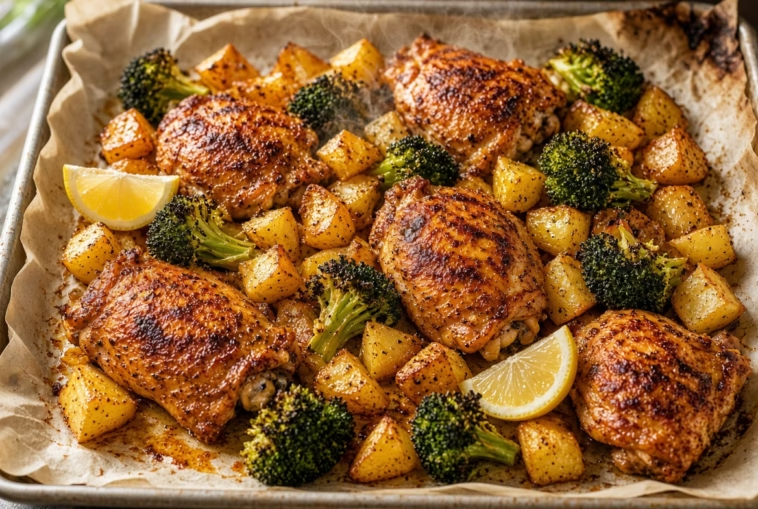
- Sheet-pan chicken thighs and potatoes — about 395 kcal and 39 g protein. One pan, leftovers that reheat.
- Cottage cheese pasta — about 485 kcal and 34 g protein. Better the day you cook it than as a bagged lunch.
- Peanut tofu rice bowls — about 545 kcal and 31 g plant protein. The vegan plate in this list.
- Chickpea tuna salad — about 230 kcal and 27 g as a bowl; about 390 kcal and 35 g with two slices of whole-wheat toast for a full dinner.
- Lentil egg shakshuka — about 435 kcal and 29 g; add 100 g plain nonfat Greek yogurt to clear 30 g cleanly.
For a prep session that covers several of these, use the high-protein meal prep guide. Breakfast is a separate cluster starting at high-protein breakfast for weight loss.
Chicken with yogurt sauce and broccoli
About 356 kcal, 51 g protein, 14 g carbohydrate, 10 g fat. One serving. About 25 minutes if the chicken is already cooked, or about 40 minutes from raw breast.
Ingredients
- 120 g roasted chicken breast, meat only (or cook a raw boneless breast and weigh 120 g cooked meat)
- 100 g plain nonfat Greek yogurt
- 150 g broccoli, boiled and drained
- 5 g olive oil
- Lemon, pepper, garlic powder — optional, not in the total
Method
- If the chicken is raw, roast or pan-cook it without breading until the thickest part is done. Weigh 120 g of cooked meat only.
- Warm the broccoli. Toss it with the 5 g oil off the heat.
- Stir lemon and pepper into the yogurt if you want a sauce. Spoon it over the chicken. Do not cook the yogurt hard or it can split.
| Ingredient | Amount | kcal | Protein (g) | Carb (g) | Fat (g) |
|---|---|---|---|---|---|
| Chicken breast, roasted, meat only (FDC 171477) | 120 g | 198.0 | 37.22 | 0.00 | 4.28 |
| Greek yogurt, plain, nonfat (FDC 330137) | 100 g | 61.0 | 10.30 | 3.64 | 0.37 |
| Broccoli, boiled, drained (FDC 169967) | 150 g | 52.5 | 3.57 | 10.77 | 0.61 |
| Olive oil (FDC 171413) | 5 g | 44.2 | 0.00 | 0.00 | 5.00 |
| Total, then rounded | 355.7 → 356 | 51.09 → 51 | 14.4 → 14 | 10.3 → 10 |
Turkey, black bean and broccoli skillet
About 376 kcal, 43 g protein, 34 g carbohydrate, 8 g fat. One serving. About 15 minutes with leftover turkey.
Ingredients
- 100 g roasted turkey breast, meat only
- 100 g black beans, cooked, boiled without salt (drain canned plain beans)
- 150 g broccoli, boiled and drained
- 5 g olive oil
- Chili powder or cumin, optional
Method
- Warm the oil in a nonstick pan. Add the beans and spices. Heat 2 minutes.
- Add the turkey and broccoli. Heat until hot. Taste before adding salt; turkey and some canned beans are already salty.
| Ingredient | Amount | kcal | Protein (g) | Carb (g) | Fat (g) |
|---|---|---|---|---|---|
| Turkey breast, roasted, meat only (FDC 171496) | 100 g | 147.0 | 30.13 | 0.00 | 2.08 |
| Black beans, cooked, no salt (FDC 173735) | 100 g | 132.0 | 8.86 | 23.71 | 0.54 |
| Broccoli, boiled, drained (FDC 169967) | 150 g | 52.5 | 3.57 | 10.77 | 0.61 |
| Olive oil (FDC 171413) | 5 g | 44.2 | 0.00 | 0.00 | 5.00 |
| Total, then rounded | 375.7 → 376 | 42.56 → 43 | 34.5 → 34 | 8.2 → 8 |
This is not the freezer black bean egg breakfast burrito. That recipe is a breakfast with a tortilla and different macros.
Tuna and white bean plate
About 298 kcal, 35 g protein, 25 g carbohydrate, 6 g fat. One serving. About 10 minutes. No stove if the beans are already cooked.
The tuna row is light tuna, canned in water, drained, without salt (FDC 171986): 116 kcal and 25.51 g protein per 100 g. Salted tuna and tuna in oil do not match this total. For a no-mayo salad built around chickpeas instead, use the chickpea tuna salad.
Ingredients
- 100 g light tuna, canned in water, drained, without salt
- 100 g black beans, cooked, no salt
- 40 g celery, chopped
- 5 g olive oil
- Lemon and pepper
Method
- Drain the tuna well. Mix with beans, celery, oil, lemon, and pepper.
- Eat cold, or warm the beans first if you prefer a hot plate.
| Ingredient | Amount | kcal | Protein (g) | Carb (g) | Fat (g) |
|---|---|---|---|---|---|
| Light tuna, canned in water, drained, no salt (FDC 171986) | 100 g | 116.0 | 25.51 | 0.00 | 0.82 |
| Black beans, cooked, no salt (FDC 173735) | 100 g | 132.0 | 8.86 | 23.71 | 0.54 |
| Celery, raw (FDC 169988) | 40 g | 5.6 | 0.28 | 1.19 | 0.07 |
| Olive oil (FDC 171413) | 5 g | 44.2 | 0.00 | 0.00 | 5.00 |
| Total, then rounded | 297.8 → 298 | 34.65 → 35 | 24.9 → 25 | 6.4 → 6 |
Chicken, potato and broccoli plate
About 420 kcal, 44 g protein, 39 g carbohydrate, 10 g fat. One serving. About 35 minutes.
This is a breast plate, not a copy of the sheet-pan thighs recipe. Thighs and breast are different USDA foods.
Ingredients
- 120 g roasted chicken breast, meat only
- 150 g russet potato, baked, flesh and skin
- 100 g broccoli, boiled and drained
- 5 g olive oil
Method
- Bake the potato until soft. Weigh 150 g of the edible potato.
- Cook or reheat 120 g chicken breast. Warm the broccoli. Finish with 5 g oil on the vegetables.
| Ingredient | Amount | kcal | Protein (g) | Carb (g) | Fat (g) |
|---|---|---|---|---|---|
| Chicken breast, roasted, meat only (FDC 171477) | 120 g | 198.0 | 37.22 | 0.00 | 4.28 |
| Potato, russet, baked, flesh and skin (FDC 170030) | 150 g | 142.5 | 3.94 | 32.16 | 0.20 |
| Broccoli, boiled, drained (FDC 169967) | 100 g | 35.0 | 2.38 | 7.18 | 0.41 |
| Olive oil (FDC 171413) | 5 g | 44.2 | 0.00 | 0.00 | 5.00 |
| Total, then rounded | 419.7 → 420 | 43.55 → 44 | 39.3 → 39 | 9.9 → 10 |
Egg and black bean dinner skillet
About 397 kcal, 38 g protein, 26 g carbohydrate, 15 g fat. One serving. About 12 minutes. Works when you want eggs at night instead of meat.
Ingredients
- 100 g whole egg (about two large eggs, weighed out of the shell)
- 150 g raw egg white
- 100 g black beans, cooked, no salt
- 5 g olive oil
Method
- Warm the oil. Heat the beans 2 minutes.
- Beat the whole eggs and whites. Pour over the beans. Stir until set. Take the pan off the heat as soon as the egg is no longer wet.
| Ingredient | Amount | kcal | Protein (g) | Carb (g) | Fat (g) |
|---|---|---|---|---|---|
| Whole egg, raw (FDC 171287) | 100 g | 143.0 | 12.60 | 0.72 | 9.51 |
| Egg white, raw (FDC 172183) | 150 g | 78.0 | 16.35 | 1.09 | 0.26 |
| Black beans, cooked, no salt (FDC 173735) | 100 g | 132.0 | 8.86 | 23.71 | 0.54 |
| Olive oil (FDC 171413) | 5 g | 44.2 | 0.00 | 0.00 | 5.00 |
| Total, then rounded | 397.2 → 397 | 37.81 → 38 | 25.5 → 26 | 15.3 → 15 |
Shrimp, edamame and rice bowl
About 416 kcal, 42 g protein, 41 g carbohydrate, 10 g fat. One serving. About 25 minutes with leftover rice.
Ingredients
- 120 g cooked shrimp
- 80 g edamame, frozen, prepared (shelled)
- 120 g cooked white long-grain rice
- 5 g olive oil
- Soy sauce or lemon — optional; if you use a sweet sauce, add its label to the total
Method
- Warm the shrimp and edamame in the oil. Do not overcook shrimp or they toughen.
- Serve over the rice. Season lightly.
| Ingredient | Amount | kcal | Protein (g) | Carb (g) | Fat (g) |
|---|---|---|---|---|---|
| Shrimp, cooked (FDC 175180) | 120 g | 118.8 | 28.78 | 0.24 | 0.34 |
| Edamame, frozen, prepared (FDC 168411) | 80 g | 96.8 | 9.53 | 7.13 | 4.16 |
| White rice, long-grain, cooked (FDC 168878) | 120 g | 156.0 | 3.23 | 33.80 | 0.34 |
| Olive oil (FDC 171413) | 5 g | 44.2 | 0.00 | 0.00 | 5.00 |
| Total, then rounded | 415.8 → 416 | 41.53 → 42 | 41.2 → 41 | 9.8 → 10 |
Shellfish allergy: skip this row. Use the turkey skillet or the tofu bowls instead.
Baked potato with cottage cheese and turkey
About 413 kcal, 41 g protein, 51 g carbohydrate, 5 g fat. One serving. About 45 minutes for the potato, or less with a microwave potato.
Cottage cheese is plain lowfat 2% milkfat (FDC 328841). Fruit cups and 4% cottage cheese are different foods. For more cottage cheese plates, including a chocolate cup that is a snack rather than dinner, see cottage cheese recipes for weight loss.
Ingredients
- 180 g russet potato, baked, flesh and skin
- 150 g lowfat cottage cheese, 2% milkfat
- 60 g roasted turkey breast, meat only
- 80 g broccoli, boiled and drained
Method
- Bake or microwave the potato. Split it. Weigh 180 g edible potato.
- Top with cottage cheese and turkey. Serve broccoli on the side. No butter in this estimate.
| Ingredient | Amount | kcal | Protein (g) | Carb (g) | Fat (g) |
|---|---|---|---|---|---|
| Potato, russet, baked, flesh and skin (FDC 170030) | 180 g | 171.0 | 4.73 | 38.59 | 0.23 |
| Cottage cheese, lowfat, 2% milkfat (FDC 328841) | 150 g | 126.0 | 16.50 | 6.46 | 3.45 |
| Turkey breast, roasted, meat only (FDC 171496) | 60 g | 88.2 | 18.08 | 0.00 | 1.25 |
| Broccoli, boiled, drained (FDC 169967) | 80 g | 28.0 | 1.90 | 5.74 | 0.33 |
| Total, then rounded | 413.2 → 413 | 41.22 → 41 | 50.8 → 51 | 5.3 → 5 |
Snacks and dessert after dinner
If dinner still leaves room in the day, keep the next bite counted:
- High-protein snacks under 200 calories — yogurt cups, turkey rolls, tuna celery, edamame, and more, each with a USDA table.
- High-protein dessert without protein powder — yogurt freezes, chia pudding, cocoa oat cups, and a link to the chocolate cottage cheese cup that already exists.
A simple week of dinners
- Monday: sheet-pan chicken thighs (make four servings).
- Tuesday: leftover chicken plate, or the yogurt-sauce chicken if you want breast instead of thighs.
- Wednesday: peanut tofu bowls or the shrimp bowl.
- Thursday: cottage cheese pasta, eaten the day you cook it.
- Friday: chickpea tuna on toast, or the tuna bean plate.
- Saturday: shakshuka with yogurt.
- Sunday: turkey bean skillet while you prep lunches from the meal prep guide.
Rotate. A dinner you will cook beats a “perfect” plate you abandon.
FAQ
Is 30 g of protein at dinner required for weight loss?
No. Thirty grams is a clear target for building a plate, not a requirement that causes fat loss. Weight change depends on the whole day and week. Use how much protein to lose weight for a daily number, then divide it across meals.
Which dinner on this page has the most protein?
The chicken with yogurt sauce and broccoli rounds to 51 g. The chicken potato plate and turkey skillet are next. The peanut tofu bowl is the lowest in this table at 31 g and is still at or above the 30 g line.
Can I meal-prep these dinners?
Sheet-pan chicken and peanut tofu bowls reheat well. Cottage cheese pasta is better fresh. Chickpea tuna salad keeps cold for a few days but does not freeze. See each recipe page and the meal prep guide.
Do any of these dinners use protein powder?
No. Protein comes from chicken, turkey, tuna, shrimp, tofu, eggs, beans, yogurt, and cottage cheese in the named USDA entries.
Why might a tracking app show different numbers?
Apps often use a branded food or a different gram weight. These tables are scaled from specific USDA FoodData Central IDs. If your package disagrees, the package wins.
Database: https://fdc.nal.usda.gov/. Values read 8 October 2026. Live recipe pages keep the macros printed on those pages.