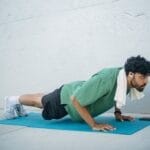



Quick answer: You can lose fat and gain muscle at the same time, a process known as body recomposition. The most effective approach combines strength training, a modest calorie deficit, and adequate protein of about 1.2 to 1.6 grams per kilogram of body weight per day.
Losing fat and gaining muscle at the same time is a popular goal among fitness enthusiasts, athletes, and anyone looking to improve their overall physique. The good news is that it is entirely possible to achieve both goals simultaneously. This guide explores the best strategies to make body recomposition work for you in a realistic, steady manner.
How does lifting weights help you lose fat and gain muscle?
One of the most effective ways to gain muscle and lose fat at the same time is to lift weights. Weight training promotes muscle growth while also burning calories and fat. To optimize your results, focus on compound exercises like squats, deadlifts, bench presses, and rows that work multiple muscle groups simultaneously.
Progress is usually slow, and this approach is typically easiest for beginners, people returning to training, or those with more body fat. You do not need to rely on extreme measures or promised numbers of pounds lost; consistency with your training is what drives the adaptation over time.

Can high-intensity interval training support body recomposition?
High-Intensity Interval Training (HIIT) is an effective way to enhance your workout routine by supporting fat loss. Unlike traditional steady-state cardio, HIIT involves short bursts of intense exercise followed by rest periods, making it a time-efficient way to achieve fitness goals.
HIIT workouts elevate your heart rate and keep it high, boosting your metabolism even after you have finished exercising. This efficiency makes it a great choice if you have a busy schedule. When combined with strength training and aerobic activity—such as following the 12-3-30 workout for beginners or other cardio routines—you cover all your bases.
According to the CDC adult guidelines, adults should aim for at least 150 minutes of moderate aerobic activity per week plus muscle-strengthening activities on two or more days a week.
Why is a high-protein diet essential for this process?
Eating a diet high in protein is essential for building muscle and losing fat. Protein provides the building blocks of muscle and also helps keep you feeling full and satisfied. Aim to consume about 1.2 to 1.6 grams per kilogram of body weight per day, which breaks down to roughly 25 to 30 grams per meal. You can learn more details in our protein guide and estimate your needs using our protein calculator.
To help structure your daily routine, you can also check out our high-protein meal plan. Simple meal examples include a Greek yogurt bowl, a chicken and rice bowl, an egg and vegetable scramble, a tofu stir-fry, and a tuna salad wrap.
According to data from USDA FoodData Central (https://fdc.nal.usda.gov/), per 100 grams, plain nonfat Greek yogurt provides 10.3 grams of protein and 61 kilocalories, raw almonds provide 21.5 grams of protein, and frozen prepared edamame provides 11.9 grams of protein and 5.2 grams of fiber.

What role do healthy fats play in your fitness goals?
Contrary to popular belief, not all fats are bad for you. In fact, consuming a moderate amount of healthy fats is essential for maintaining a balanced diet and achieving fitness goals like losing fat and gaining muscle.
Healthy fats, such as those found in avocados, nuts, and olive oil, play a crucial role in your body’s overall health. They support hormone production, brain health, and nutrient absorption. They also help increase satiety, provide sustained energy for workouts, and support muscle recovery.
If you ever experience muscle soreness from your new lifting routine, you might wonder about your activity schedule. Read our guide on working out when sore to find out how to balance recovery days effectively.
Why is getting enough sleep crucial for your results?
Getting enough sleep is crucial for losing fat and gaining muscle. When you sleep, your body undergoes vital repair processes, regulates hunger hormones, and builds muscle tissue.
Without adequate rest, your body struggles to recover from strength training sessions, and your energy levels for both workouts and daily activities can plummet. Prioritizing seven to nine hours of quality sleep each night completes the foundation alongside your nutrition and exercise habits.
Frequently asked questions
Can I really lose fat and build muscle at the exact same time?
Yes, body recomposition is entirely possible, especially for beginners, people returning to training, or individuals with higher body fat percentages. Progress is generally slow and steady.
How much protein do I need daily for body recomposition?
Research supports consuming about 1.2 to 1.6 grams of protein per kilogram of body weight per day, aiming for roughly 25 to 30 grams per meal.
What kind of exercise is best for this goal?
Combining strength training—such as compound lifting—with adequate aerobic activity, like following the CDC guidelines of 150 minutes per week, creates an ideal environment for fat loss and muscle gain.
Do I need to be in a calorie deficit?
A modest calorie deficit is typically required to lose body fat, while adequate protein intake and resistance training provide the stimulus needed to preserve and build muscle tissue.
What are some simple high-protein foods to include?
Helpful options include plain nonfat Greek yogurt, eggs, chicken, fish, tofu, edamame, and almonds, keeping portions balanced throughout the day.
Key takeaways
- Body recomposition allows you to lose fat and gain muscle simultaneously, especially when starting out.
- Focus on lifting weights with compound movements to stimulate muscle growth.
- Consume 1.2 to 1.6 grams of protein per kilogram of body weight daily, spread across meals.
- Meet weekly aerobic and strength guidelines while incorporating healthy fats and sufficient sleep.
This article is for general information and is not medical advice. Always consult a qualified professional before starting a new diet or exercise program.